BAE Unveils Long-Range M109A7 Paladin

BAE Systems has introduced the M109A7 52‑caliber self‑propelled howitzer, an upgraded artillery platform intended to bolster the U.S. Army’s long‑range firepower capabilities following the pause of the Extended Range Cannon Artillery (ERCA) program .This new prototype combines the proven M109A7 Paladin tracked chassis with Rheinmetall’s high‑performance L52 155 mm cannon, delivering significantly greater range and accuracy than current fleet models .The company described the system as a fast‑track solution for the Army’s need for extended‑range fires in large‑scale combat operations while maintaining compatibility with existing logistics and crew training .The M109A7, based on a modified Bradley Fighting Vehicle chassis, features an electric gun drive system, advanced digital fire control, and enhanced diagnostic sensors. The integration of Rheinmetall’s 52‑caliber barrel extends firing ranges beyond 40 kilometers with standard ammunition and potentially over 70 kilometers with precision‑guided or rocket‑assisted munitions .BAE Systems officials emphasized that the new weapon retains logistical commonality with the current M109 fleet — a key advantage for rapid adoption and sustainment. The prototype demonstrates the company’s response to Army demands for incremental progress after the ERCA program’s cancellation due to technical delays. By leveraging existing infrastructure and suppliers, the M109A7 52‑caliber can reach production without a complete system overhaul. The updated design also supports future options for automated loading systems and advanced propellants as technology matures. Analysts note that the howitzer represents a pragmatic step toward closing the Army’s tactical range gap while balancing cost and schedule pressures. The platform’s battle‑proven mobility and crew protection make it a reliable choice for modernized artillery brigades. Fielding of the first units could begin in 2027 pending Army approval after prototype evaluation at Yuma Proving Ground. This initiative positions BAE Systems and Rheinmetall as key partners in next‑generation U.S. field artillery development .

Netherlands Joins U.S. AI Drone Program

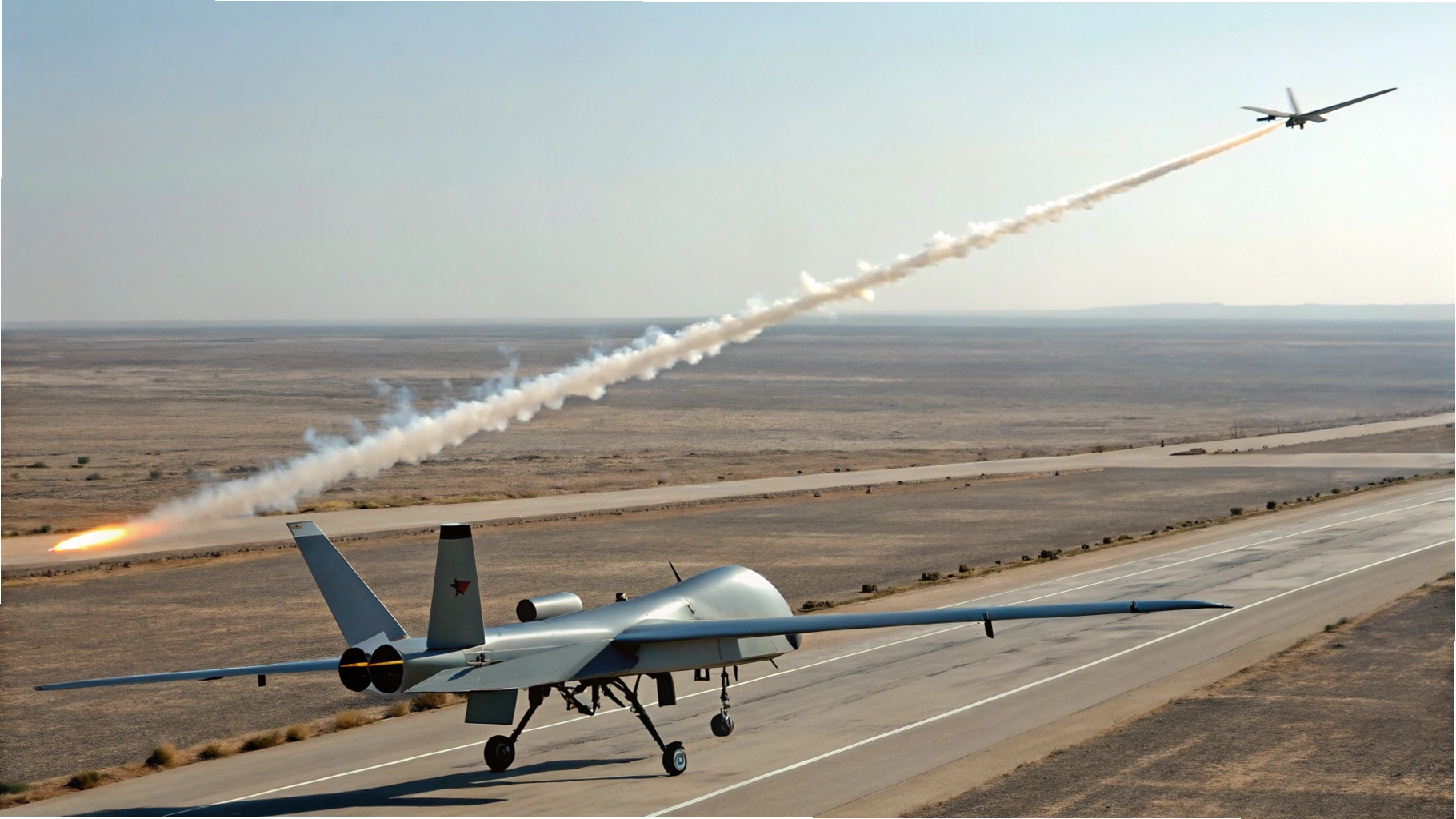
The Netherlands has formally joined the U.S. Air Force’s cutting‑edge Collaborative Combat Aircraft (CCA) initiative — a program that develops autonomous and AI‑enabled drones designed to operate in tandem with crewed fighters .The agreement, signed in Washington by State Secretary for Defense Gijs Tuinman ahead of NL‑US Defense Industry Days, marks a major milestone in transatlantic defense innovation. Through a letter of intent, the Dutch Ministry of Defense committed to collaborate on research and prototyping efforts for unmanned aerial vehicles capable of co‑flight with modern fighters like the F‑35 Lightning II. These CCAs are designed to support crewed aircraft through shared sensor networks, AI‑driven target recognition, and adaptive mission management. Under the partnership, Dutch engineers will work with the U.S. Air Force Research Laboratory and Program Executive Office for Fighters and Advanced Aircraft to jointly study autonomous flight teaming patterns and AI interoperability. The Netherlands joins as one of the first European partners in the CCA framework, reflecting its goal to embed AI, data fusion, and unmanned operations within its future combat architecture. The initiative complements Dutch investments in aerospace AI through the Royal Netherlands Aerospace Centre and the Defense Innovation Hub. U.S. Air Force leaders hailed the move as a model for cross‑allied co‑development, stressing how AI collaboration strengthens NATO’s deterrence strategy and reduces development cycles for next‑generation air systems. Dutch officials framed the decision as a forward‑looking step to secure technological relevance in emerging AI‑guided combat operations while balancing sovereignty and interoperability. The Netherlands will share simulation research from its Defense Aerospace Laboratory and will gain access to U.S. testbeds for data‑link validation. Experts suggest the collaboration will help the Royal Netherlands Air Force evolve toward a “manned‑unmanned teaming” model for its F‑35 fleet by the early 2030s and enhance Europe’s AI defense ecosystem through shared R&D. This partnership underscores a wider trend in Western air forces embracing autonomy to increase coverage and reduce pilot risk. Analysts view the move as strengthening the U.S.‑Dutch strategic bond and positioning the Netherlands as a front‑line player in the future of networked air combat.

Germany, Netherlands Order 222 SCHAKAL IFVs

Germany and the Netherlands have officially signed a €4.5 billion defense contract through the Organisation Conjointe de Coopération en Matière d’Armement (OCCAR) for the supply of 222 SCHAKAL infantry fighting vehicles (IFVs), substantially expanding their joint BOXER armored vehicle fleets .The signing ceremony held in Bonn on October 17, 2025,...