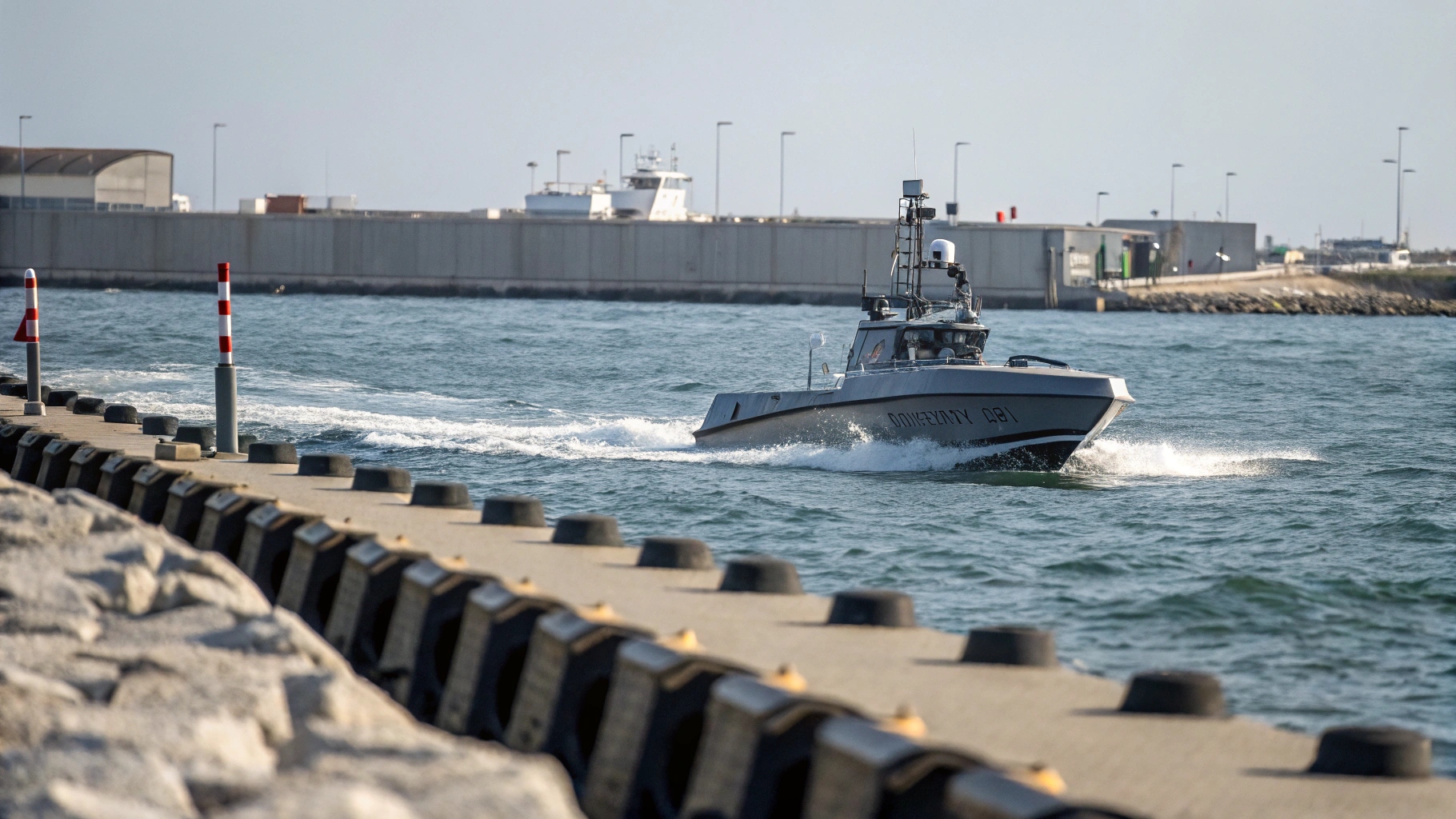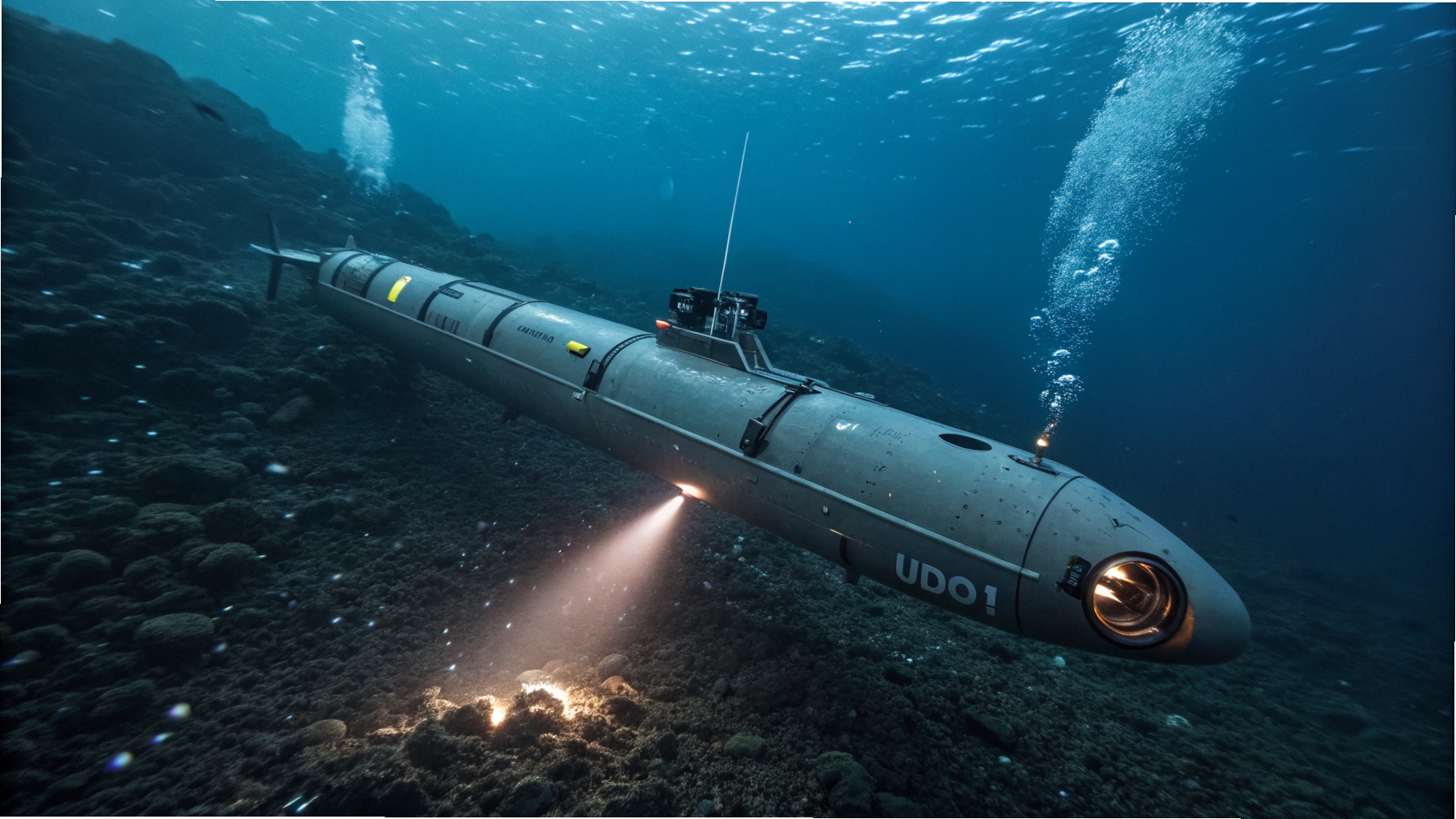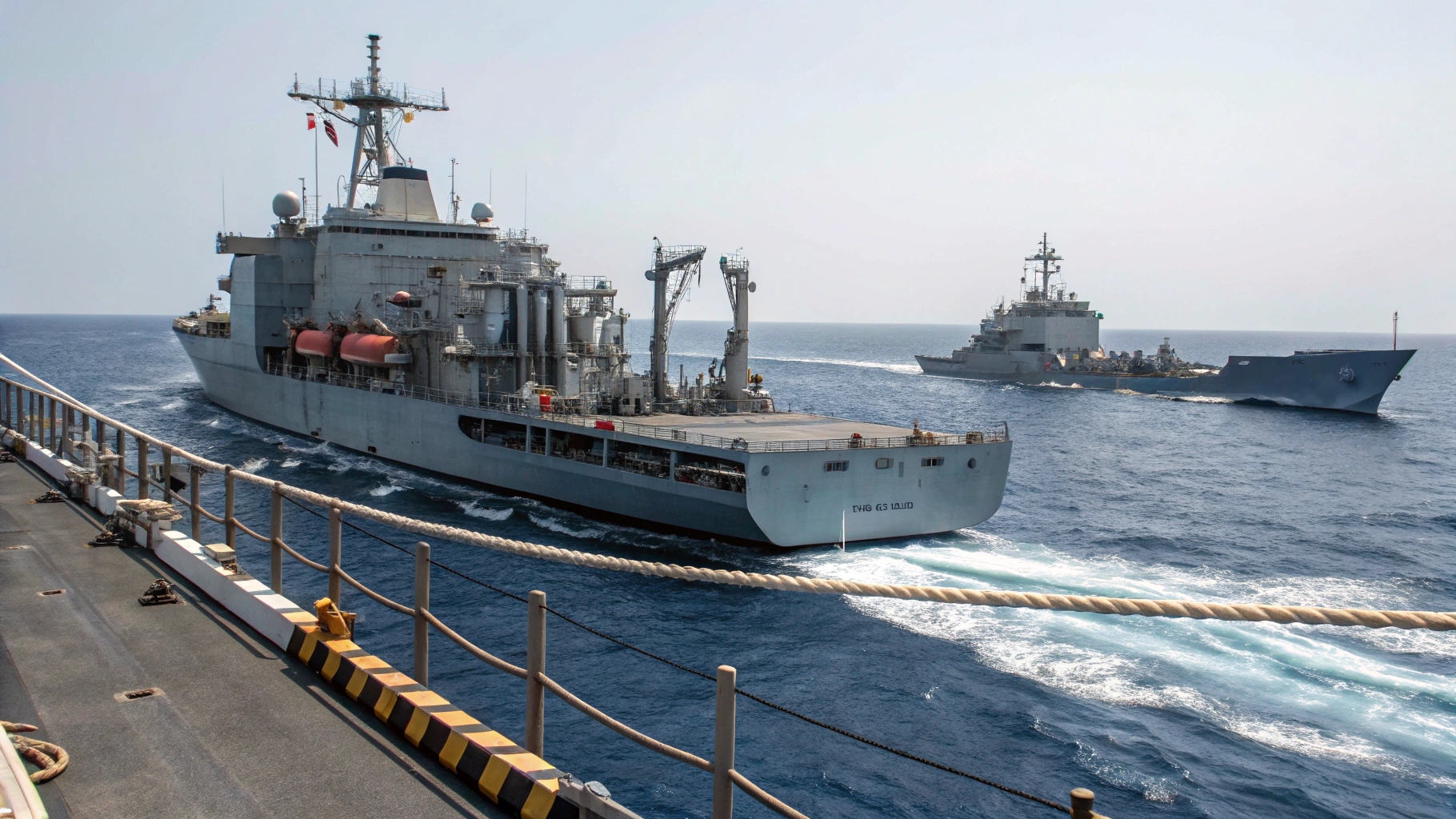
The Belgian Navy has officially received its first City-class mine countermeasures (MCM) vessel, Oostende (M940), marking a major step in the nation’s maritime modernization under the joint Belgian-Dutch rMCM program. Delivered at Zeebrugge Naval Base, the 82-meter vessel is part of a 2019 agreement with the Netherlands to construct 12 advanced minehunters—six for each country—through the 2030s. Built under the management of Belgium Naval & Robotics, a partnership between France’s Naval Group and Exail, the ship employs a “stand-off” design allowing mine detection and destruction from a safe distance using unmanned systems. The platform integrates surface, underwater, and aerial drones to identify and neutralize explosives without risking crew safety. Powered by three diesel generators and twin electric motors, Oostende achieves speeds of up to 15 knots and a range exceeding 3,500 nautical miles. Armament includes a naval gun, heavy and general-purpose machine guns, and water cannons for defense. The City-class replaces the aging Tripartite and Alkmaar classes, operational since the 1980s, and introduces a new era of automation and multi-domain MCM warfare. Belgian officials hailed the vessel as pivotal to NATO maritime security and the future of European mine countermeasure capability.