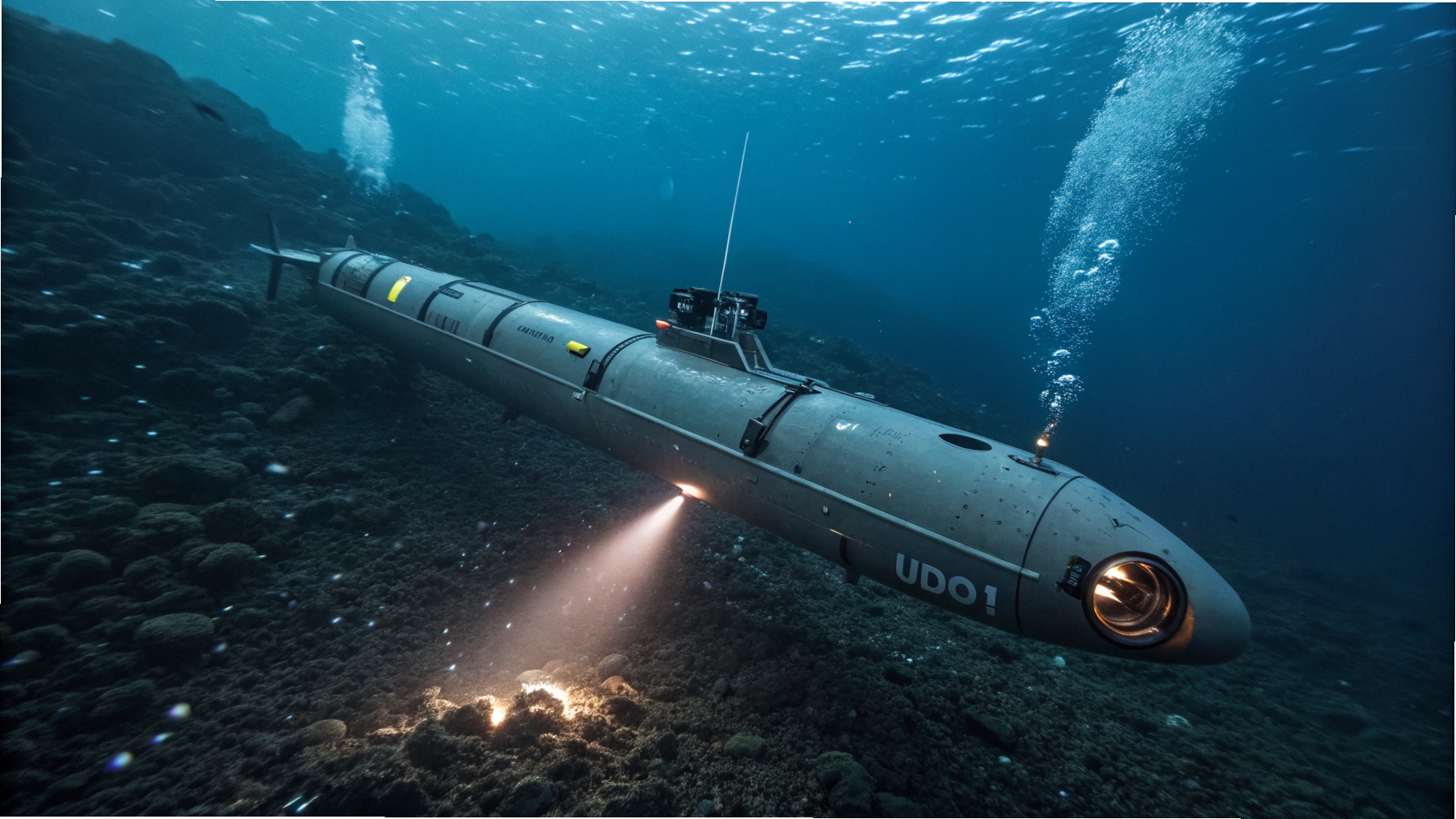
Norway has given the green light to procure two more Class 212CD submarines for the Royal Norwegian Navy, lifting the total planned force to six under its long-term undersea warfare roadmap.
The approval, based on advice from Chief of Defence General Eirik Kristoffersen, is designed to enhance fleet readiness and sustain uninterrupted submarine operations.
To support the enlarged programme, the Norwegian government has proposed an additional 46 billion kroner in funding—around $4.77 billion.
The country is already acquiring four 212CD boats from thyssenkrupp Marine Systems, with two currently under construction in Germany and the lead submarine expected to enter service in 2029.
Combined with Germany’s orders, the joint 212CD programme has now reached its intended maximum of 12 submarines.
To accommodate the higher build rate, Norway will co-finance a second submarine production line in Germany, a step aimed at protecting delivery timelines.
The German–Norwegian partnership is structured to deliver economies of scale through shared development, training, crewing, logistics, and maintenance, while producing a platform fully interoperable with NATO forces and optimised for demanding missions, including Arctic operations.
The 212CD is significantly larger than the Type 212A, measuring about 73 metres in length with a displacement of roughly 2,500 tonnes, compared to 56 metres and 1,524 tonnes for the earlier class.
It incorporates upgraded sensors, increased operational reach, and a reduced acoustic signature to support stealthy, long-endurance missions.
Armament will include DM2A4 heavyweight torpedoes and the SeaSpider anti-torpedo defence system, with additional capabilities under consideration such as a submarine-launched Naval Strike Missile and a jointly developed supersonic strike missile.
In the longer term, the programme may expand to provide up to 12 submarines for Canada, with TKMS and its German and Norwegian partners engaged in the ongoing competition.