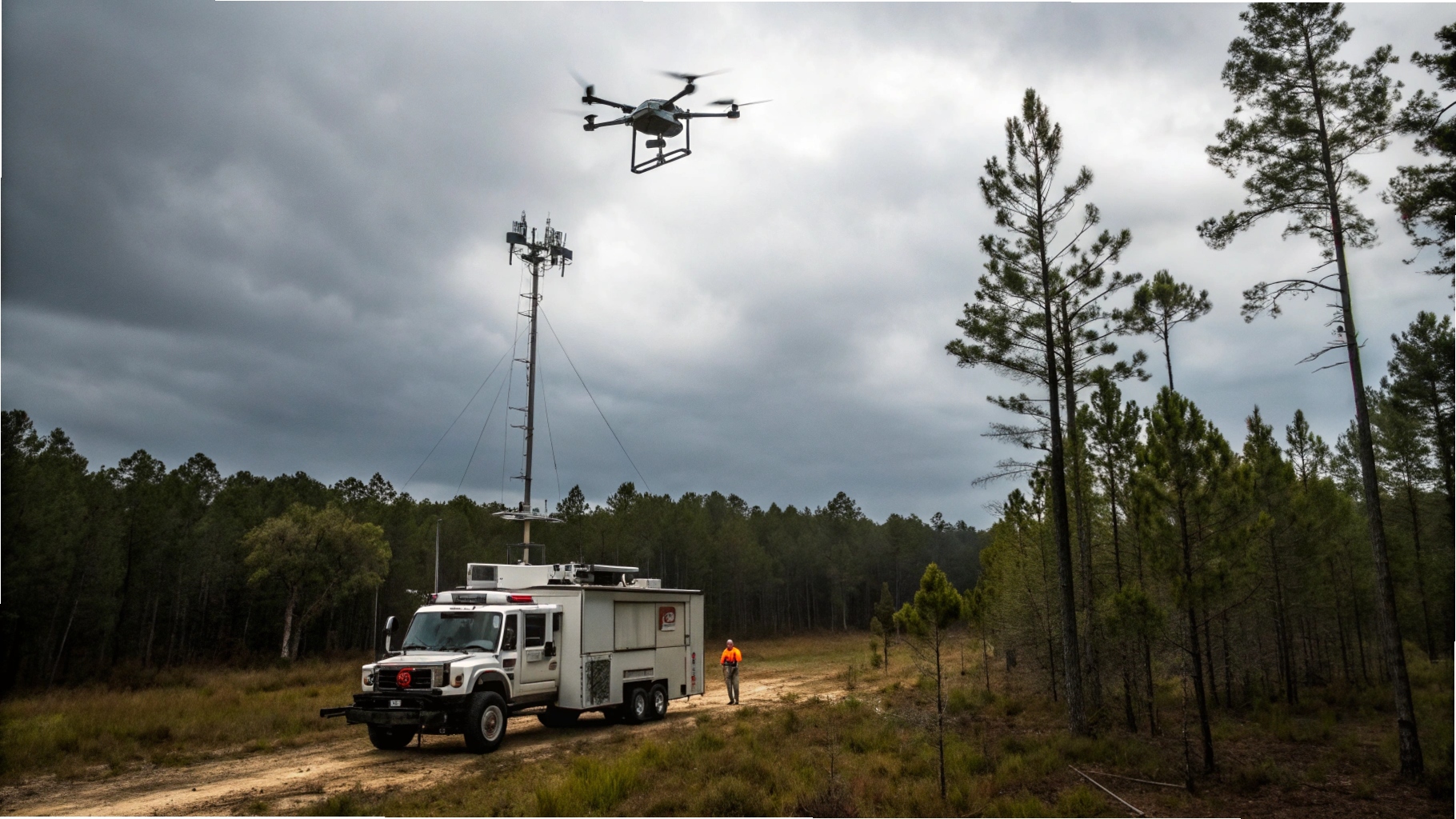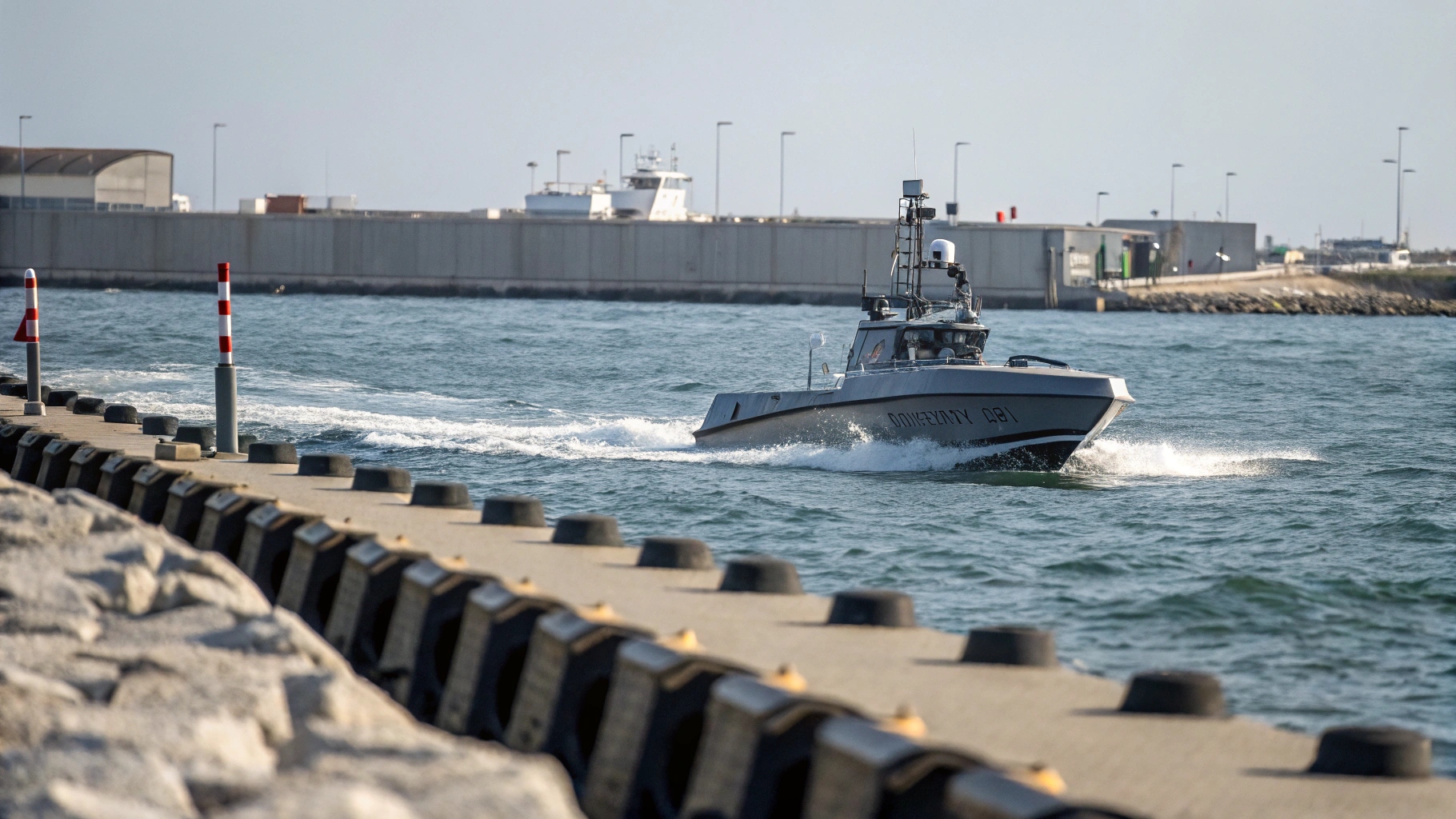
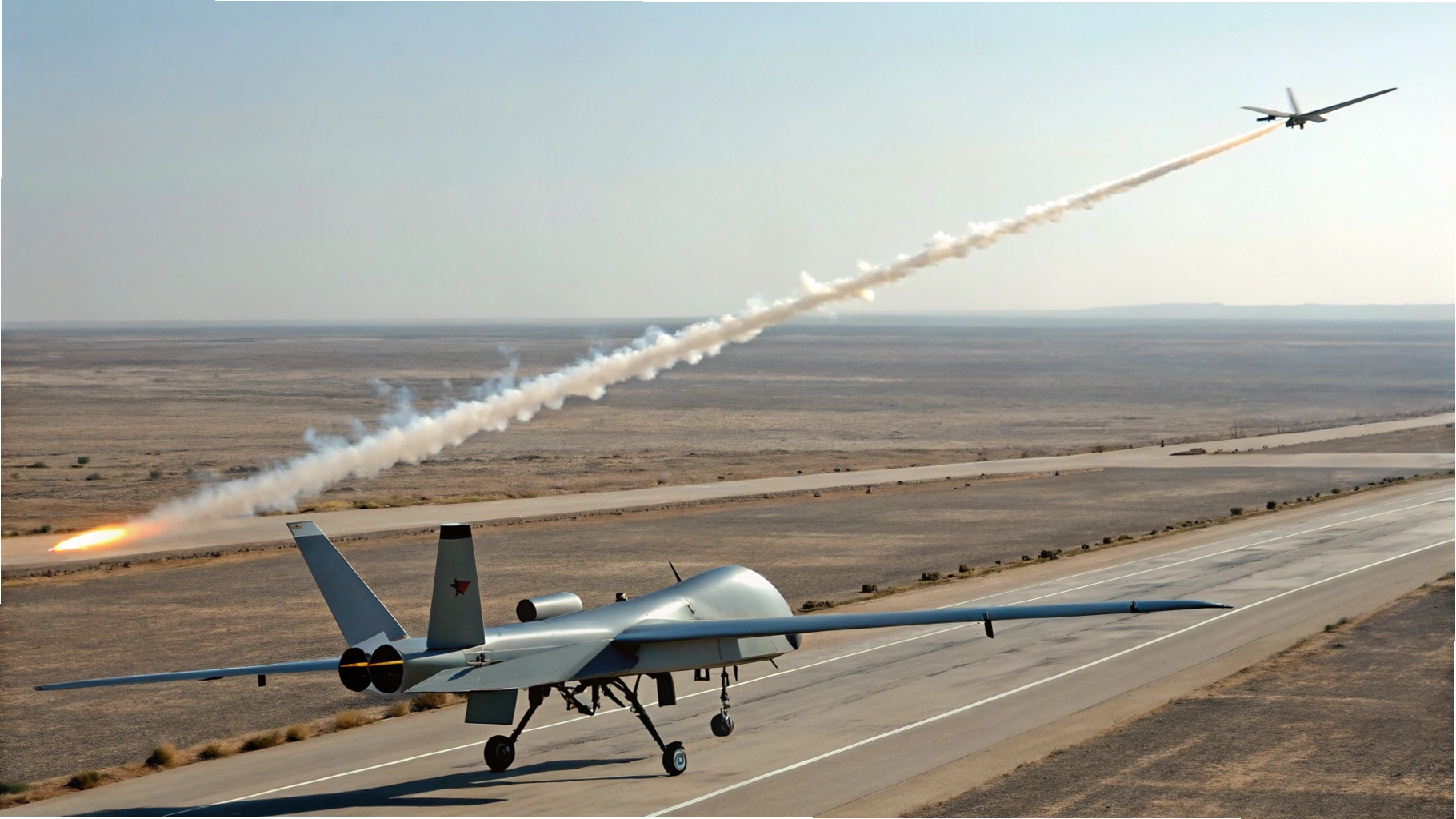
Germany has approved the purchase of one-way attack drones for the German brigade permanently stationed in Lithuania, marking a key advancement in its forward defense posture on NATO’s eastern flank. The decision underscores Berlin’s intent to enhance rapid-response and deterrence capabilities amid growing tensions with Russia. The drones—designed for precision strikes and extended range—will provide the brigade with autonomous offensive options previously unavailable to German ground forces. Defense officials emphasized that the unmanned systems will enable deep-strike operations while minimizing risks to personnel, aligning with NATO’s evolving multi-domain combat doctrine. Deployment of these loitering munitions represents part of Germany’s broader modernization effort, which includes expanded electronic warfare units, integrated sensor networks, and battlefield AI support tools. Lithuanian Defense Minister Arvydas Anušauskas welcomed the move, calling it a “tangible demonstration of NATO solidarity and readiness.” Training and operational integration of the systems are expected to begin in 2026, with the drones sourced from a European consortium ensuring interoperability with allied platforms. The approval coincides with Lithuania’s own acquisition of advanced counter-drone technologies and reflects the alliance’s focus on layered air defense across the Baltic region. German officials stressed that the move is not purely symbolic but a practical step to ensure credible deterrence and battlefield adaptability, especially in hybrid-threat scenarios combining cyber, electronic, and kinetic attacks. Together, these developments reaffirm NATO’s determination to strengthen the eastern flank with smarter, faster, and more autonomous capabilities.