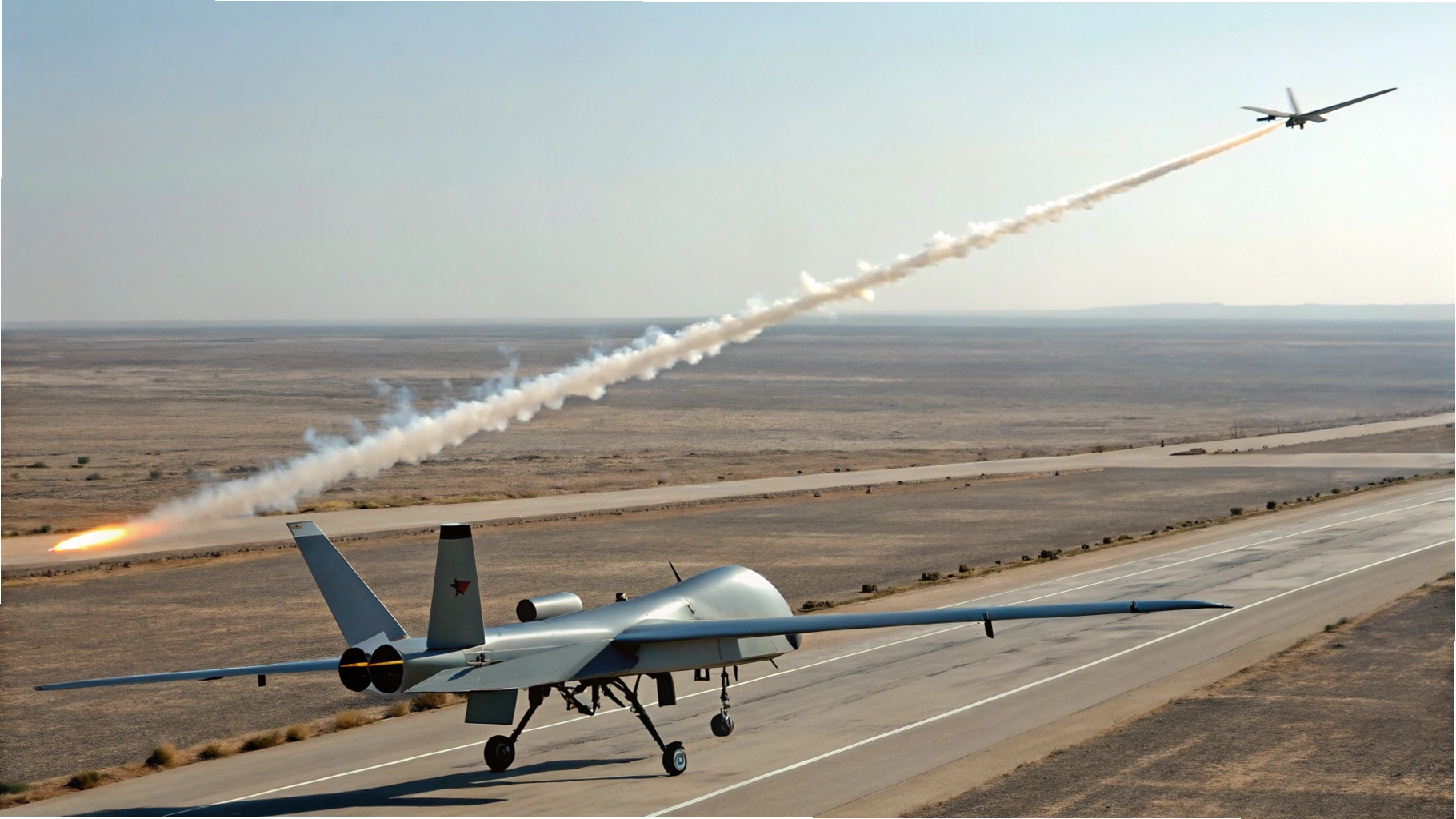
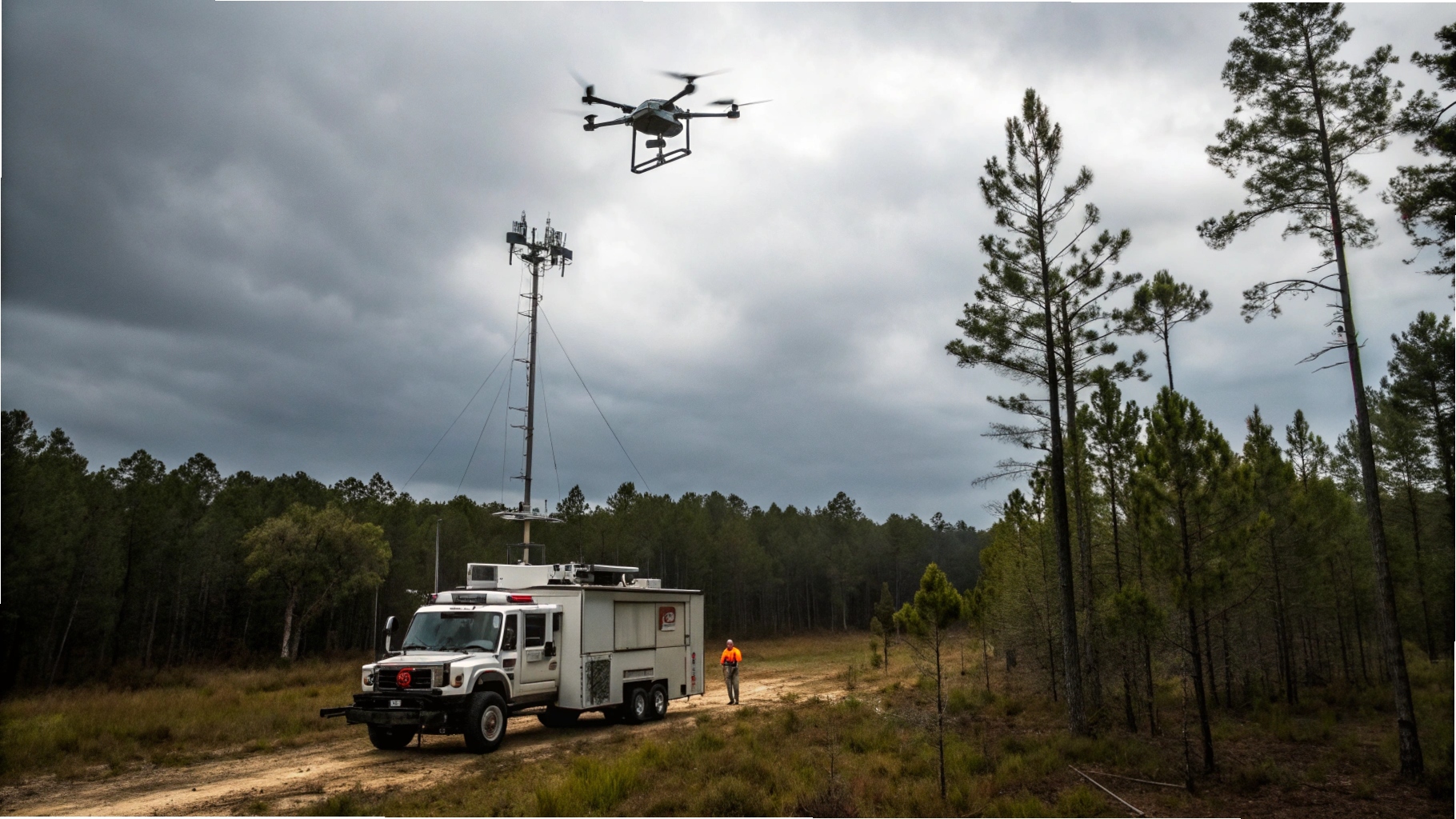
Leonardo S.p.A. has announced an ambitious plan to co-produce Baykar unmanned aerial systems (UAS) in Italy under its newly formed venture, LBA Systems. The initiative marks a significant step in strengthening Europe’s indigenous defense industrial base while deepening strategic ties between Italy and Turkey in the fast-evolving unmanned aviation sector. Under the agreement, Italy will establish final assembly lines for Baykar’s flagship platforms — the TB2, TB3, Akinci, and jet-powered Kizilelma — to be jointly produced with Leonardo. The plan positions Leonardo as a co-producer rather than merely a buyer, aligning the company’s expertise in European certification, avionics, and mission-system integration with Baykar’s proven airframes. The arrangement also reflects a broader European effort to develop an autonomous supply chain for defense and dual-use unmanned technologies amid tightening export and operational regulations. Leonardo presented the details in its Q3/9M 2025 financial results, confirming that LBA Systems will coordinate manufacturing, certification, and integration activities across five key areas: serial production, composite aerostructures, engineering certification, multi-domain command-and-control, and long-term sustainment. Regulatory approvals are pending, but initial joint engineering teams have begun work aligning payload and platform architectures for surveillance, strike, and future loyal-wingman missions. The project signifies Italy’s entry into the global unmanned aircraft value chain as a full partner in design and production. For Baykar, the venture creates an EU-based production line capable of meeting European certification standards and expanding its export reach. With Europe’s defense procurement shifting toward collaborative manufacturing and multi-national compliance, this partnership could serve as a model for future ventures integrating non-EU technology within EU defense ecosystems. The initiative further underscores Leonardo’s strategy to diversify its portfolio beyond traditional combat aircraft and secure a leadership position in next-generation autonomous systems.