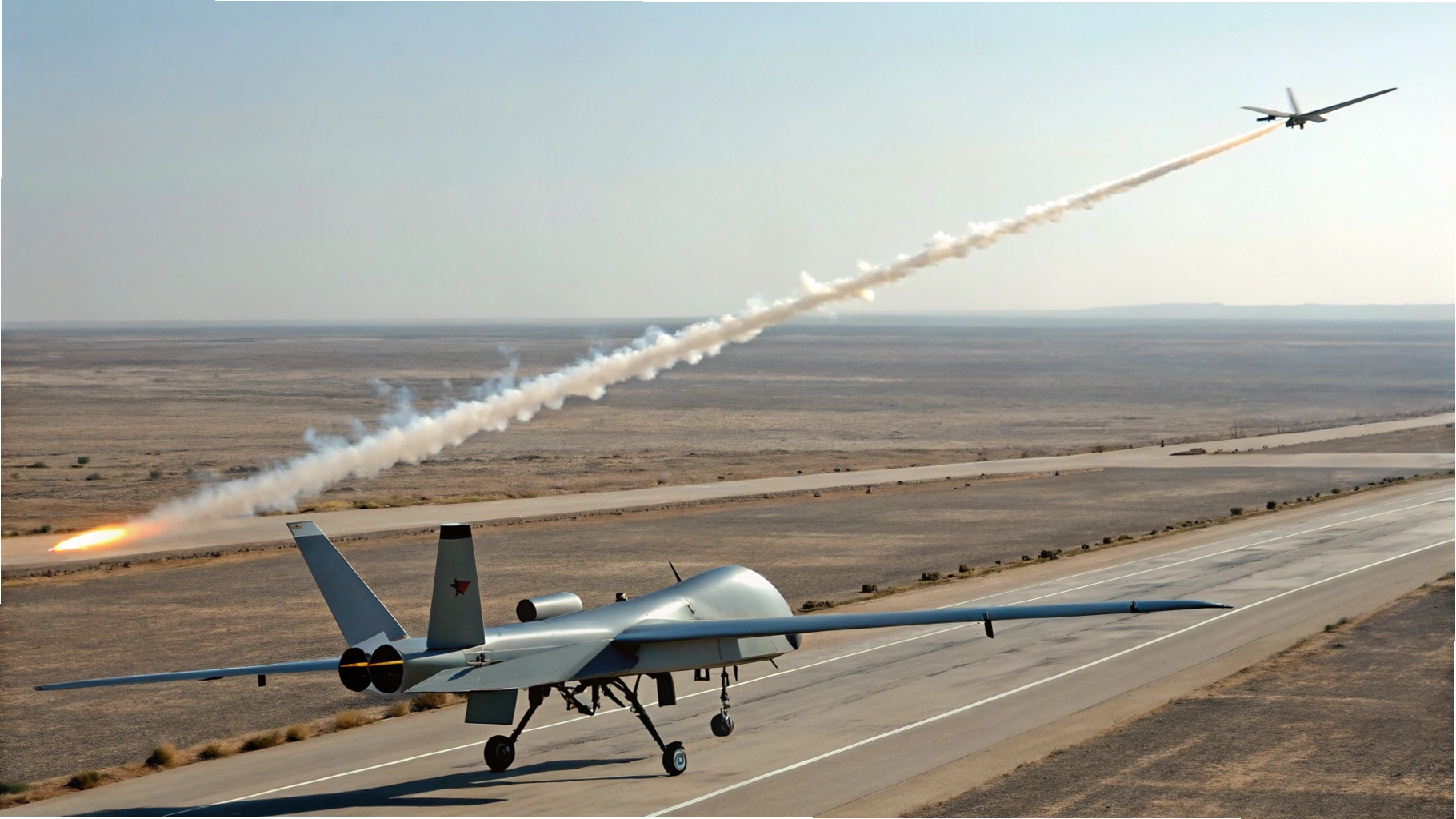

Raytheon’s Next Generation Short Range Interceptor, proposed as a replacement for the US Army’s Stinger surface-to-air missile, has completed a ballistic test funded by the company. The test validated the missile’s ability to launch from a man-portable system and to track unmanned aerial targets, moving the program closer to a full flight-test phase.
The interceptor design incorporates Northrop Grumman-supplied highly loaded grain solid rocket motors to deliver improved speed and range, along with a new seeker that enables target detection and engagement at extended distances in all lighting conditions. The NGSRI is also reported to maintain backward compatibility with existing Stinger launchers.
In 2022, the US Army issued a request for information to industry seeking a replacement for the aging Stinger missile, which is used to defeat drones, helicopters, and fixed-wing aircraft. Raytheon and Lockheed Martin were selected in September 2023 to develop competing NGSRI solutions with enhanced lethality and performance.
During 2024 and 2025, both companies completed a series of demonstrations in preparation for flight testing. In January 2026, Lockheed Martin conducted the first flight test of its NGSRI candidate, progressing from concept to first flight in just 26 months through the use of advanced artificial intelligence and machine-learning technologies.