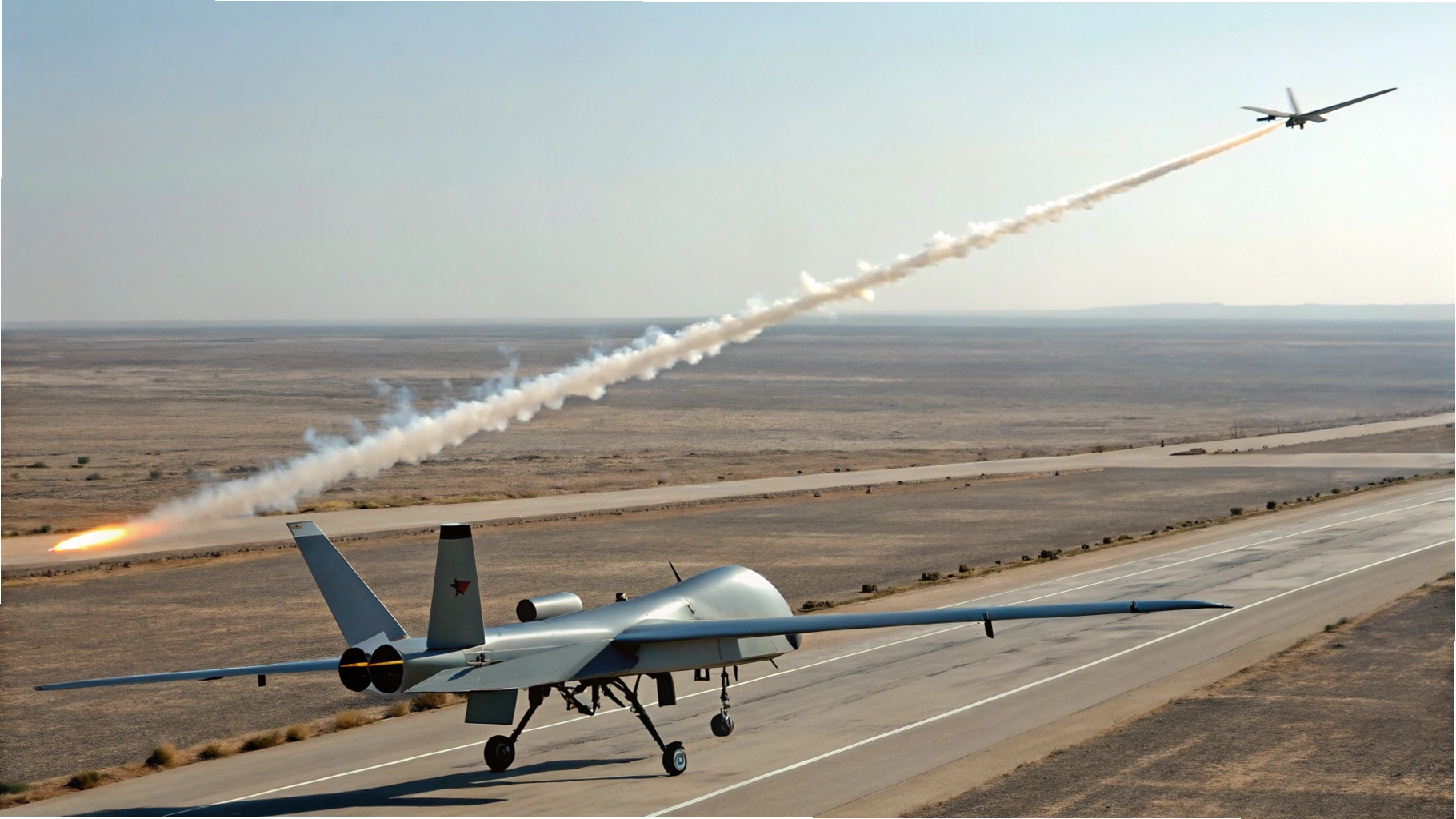

South Korea has begun deploying its Hyunmoo-5 ballistic missile to frontline units, marking a significant step in strengthening deterrence against North Korea’s expanding missile and underground military infrastructure. The missile, often referred to as a “monster missile,” is believed to carry a massive warhead weighing between eight and nine tons, giving it the theoretical ability to threaten deeply buried facilities at depths exceeding 100 meters. Development of the Hyunmoo-5 reportedly began around 2016 and concluded in 2023, following years of testing and refinement. The system was publicly unveiled for the first time during Seoul’s 76th Annual Armed Forces Day parade in October 2024. Initial deployment commenced in late 2025, with full operational rollout expected by 2030. The missile plays a central role in South Korea’s three-axis defense framework, which combines preemptive strike capabilities, missile defense, and retaliatory strike options to counter North Korean threats. Despite frequent emphasis on the missile’s destructive power, defense analysts urge caution. Korea Defense Network Director Lee Il-woo has warned that North Korea’s key military facilities are often constructed deep beneath granite bedrock, significantly limiting the effectiveness of conventional bunker-busting weapons. He noted that even the US GBU-57 massive ordnance penetrator has faced challenges penetrating hardened underground sites, highlighting the physical limits of non-nuclear weapons. As South Korea remains bound by the Nuclear Non-Proliferation Treaty, the Hyunmoo-5 reflects Seoul’s focus on maximizing conventional strike capabilities rather than pursuing nuclear deterrence.