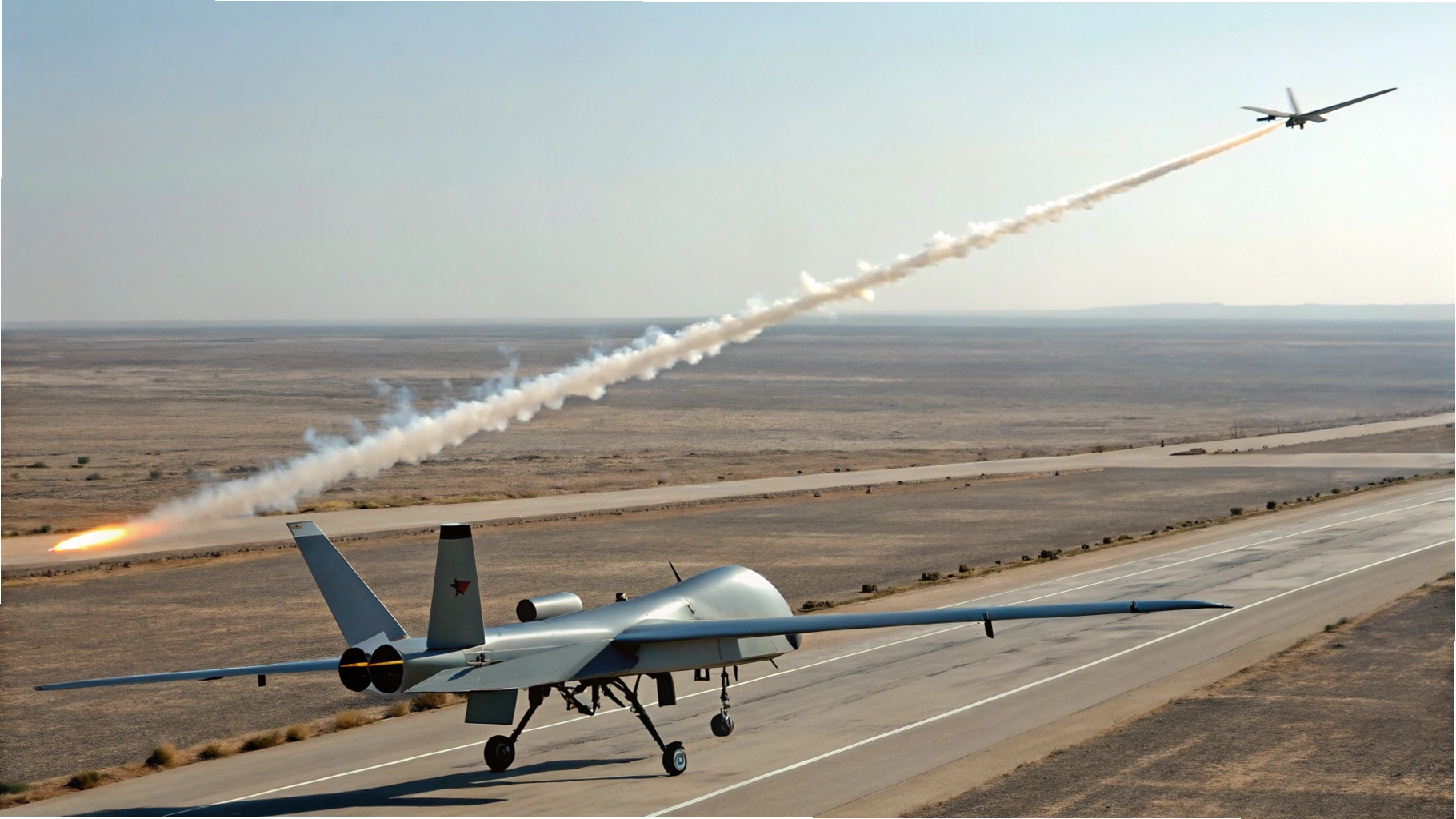

In modern warfare, speed is everything—and hypersonic missiles are redefining just how fast threats can travel. To stay ahead, the US is investing heavily in a solution designed to intercept these near-impossible targets: the Glide Phase Interceptor. With Northrop Grumman leading the effort, the program is moving forward at an accelerated pace, backed by a contract now exceeding $1.3 billion. Unlike traditional missile defense systems, the GPI is designed to strike during a missile’s most elusive phase—when it glides at the edge of space before descending toward its target. This is where current systems struggle, and where the GPI aims to excel. Built to launch from Aegis warships and land-based systems, it integrates seamlessly into existing defenses while introducing cutting-edge tracking and interception technologies. What makes the program even more significant is its international dimension. Japan is playing a key role, contributing propulsion components and strengthening allied defense cooperation. Together, they are shaping a system capable of detecting, tracking, and neutralizing threats with remarkable precision. As the world enters an era of hypersonic warfare, the GPI represents more than just a missile—it’s a shield against the future.