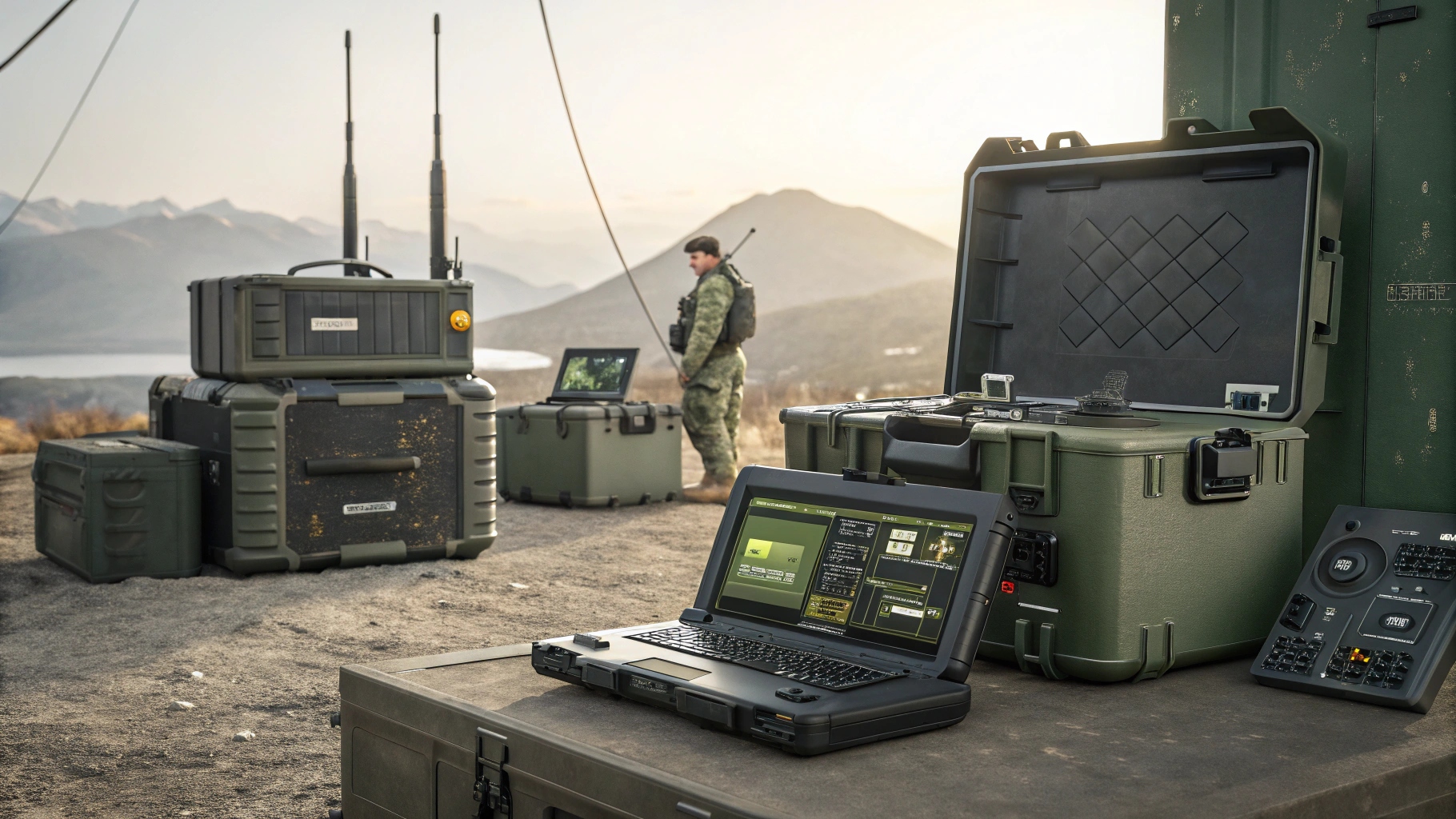
Nokia and Latvia’s leading telecom operator LMT (Latvijas Mobilais Telefons) have signed a strategic defense technology agreement to co-develop a 5G-enabled tactical communication system across the Baltic states. The new framework aims to create a secure, high-speed, and resilient battlefield network connecting troops, sensors, and autonomous platforms under a unified data-sharing structure. The collaboration combines Nokia’s global leadership in 5G infrastructure with LMT’s experience delivering military-grade mobile networks. The system will enable real-time coordination between command centers, unmanned vehicles, and field units, ensuring seamless data exchange even under heavy electronic interference. The partners envision a scalable and interoperable network that integrates AI-based analytics and autonomous system support, tailored to meet NATO operational standards. The agreement builds upon a series of successful 5G defense trials conducted at Latvia’s Ādaži military base, where the partners tested a portable 5G tactical network using Nokia’s Banshee radio platform. Those exercises demonstrated how compact, deployable systems could maintain secure multi-domain connectivity in contested zones. This initiative aligns with NATO’s digital transformation objectives, supporting the alliance’s push toward resilient communications and joint operational networking. Latvia’s defense ecosystem is expected to benefit significantly, with LMT becoming a regional enabler for next-generation defense communications and industrial cooperation within the alliance. The partnership also strengthens Nokia’s growing presence in defense telecommunications. Recent collaborations include projects with Motorola Solutions to build rapid-deployment tactical networks for the UK Ministry of Defence, and with Rheinmetall to create a next-generation battlefield communication architecture for the German armed forces. In the US, Nokia teamed with Lockheed Martin and Verizon on the 5G.MIL Hybrid Base Station, enabling multi-domain interoperability between land, air, sea, and space assets. Through these alliances, Nokia has emerged as a key defense technology integrator, bridging the gap between commercial 5G innovation and military-grade security. The partnership with LMT underscores how Baltic and European defense sectors are embracing advanced communications to ensure faster decision-making, network resilience, and NATO compatibility in future conflicts.