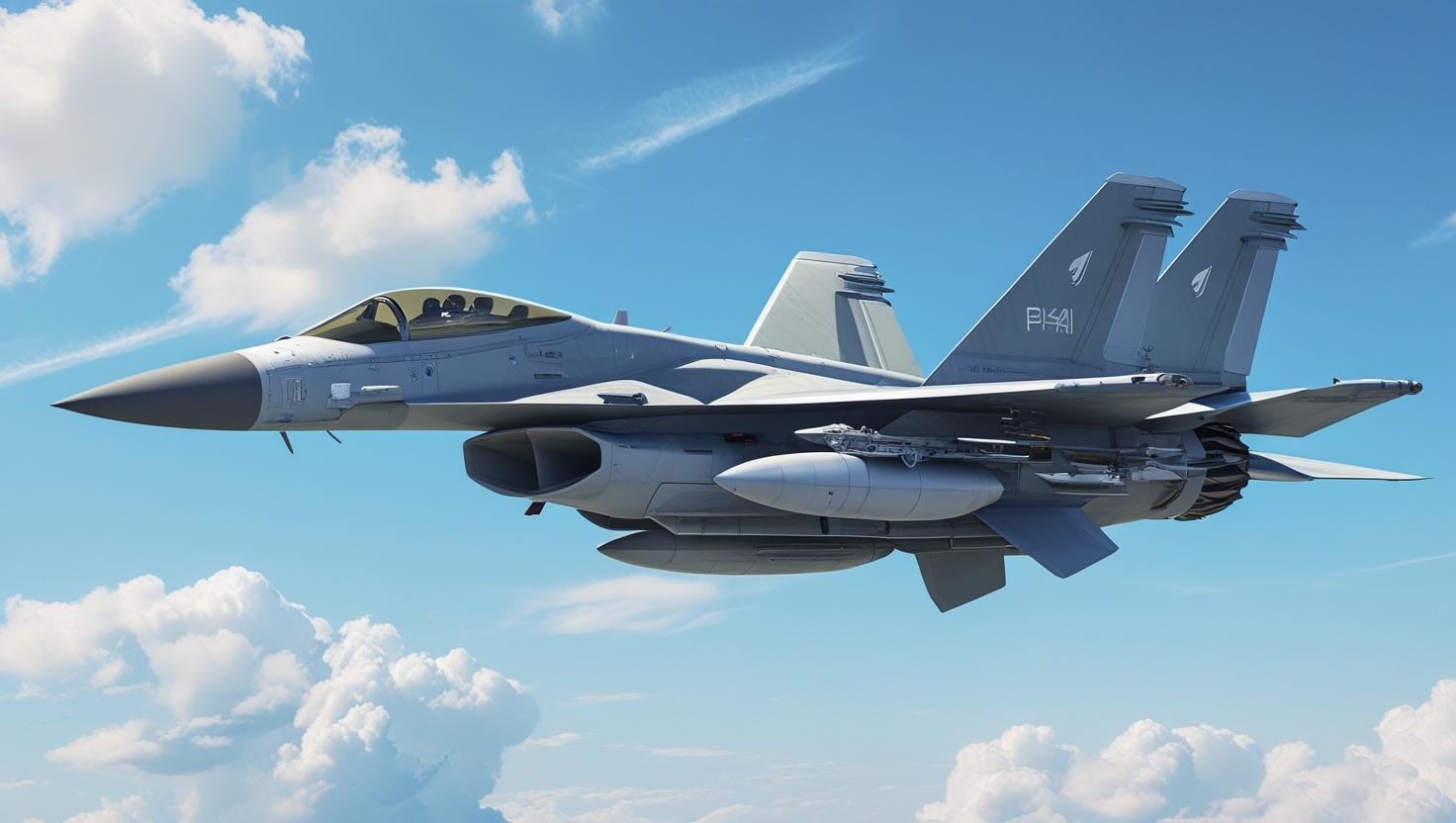

Hindustan Aeronautics Limited (HAL) has signed a landmark agreement with General Electric (GE) Aerospace to supply over 100 engines for India’s domestically designed Tejas Light Combat Aircraft (LCA) Mk1A, marking a significant milestone in bilateral defense cooperation between New Delhi and Washington. The deal, announced Friday, underscores India’s push toward defense self-reliance under the “Make in India” initiative while also deepening industrial collaboration with the United States despite recent diplomatic frictions. The contract calls for GE to deliver 113 F414 engines, which will power the next-generation Tejas Mk1A fighters under production by HAL. This order follows India’s $7 billion procurement of 97 Mk1A jets from HAL, signaling the Indian Air Force’s (IAF) long-term commitment to domestically produced aircraft. Deliveries are expected to begin within the next few years, aligning with India’s timeline for enhancing its indigenous air combat capabilities. The agreement comes amid strained trade relations between the two countries, following recent US tariffs on Indian oil purchases from Russia. However, both sides have expressed a renewed willingness to strengthen defense and technology cooperation, seeing the Tejas-GE deal as a stabilizing pillar of the broader strategic relationship. The F414 engine, known for its proven reliability in platforms such as the F/A-18E/F Super Hornet and the Saab Gripen E, provides high thrust-to-weight performance and adaptability for evolving mission profiles. Its integration into the Tejas Mk1A will significantly enhance speed, endurance, and payload capacity. India’s defense modernization efforts continue to prioritize local manufacturing and technology transfer, reducing dependency on foreign imports. The collaboration with GE supports this goal, with provisions for joint production and skill development under consideration. As one of the world’s largest arms importers, India’s long-term goal is to transition toward self-sufficiency in critical defense sectors, including aerospace. The Tejas program—now entering its next production phase—represents both a symbol of indigenous engineering achievement and a cornerstone of India’s regional airpower strategy, particularly amid heightened tensions with neighboring Pakistan and other regional adversaries.