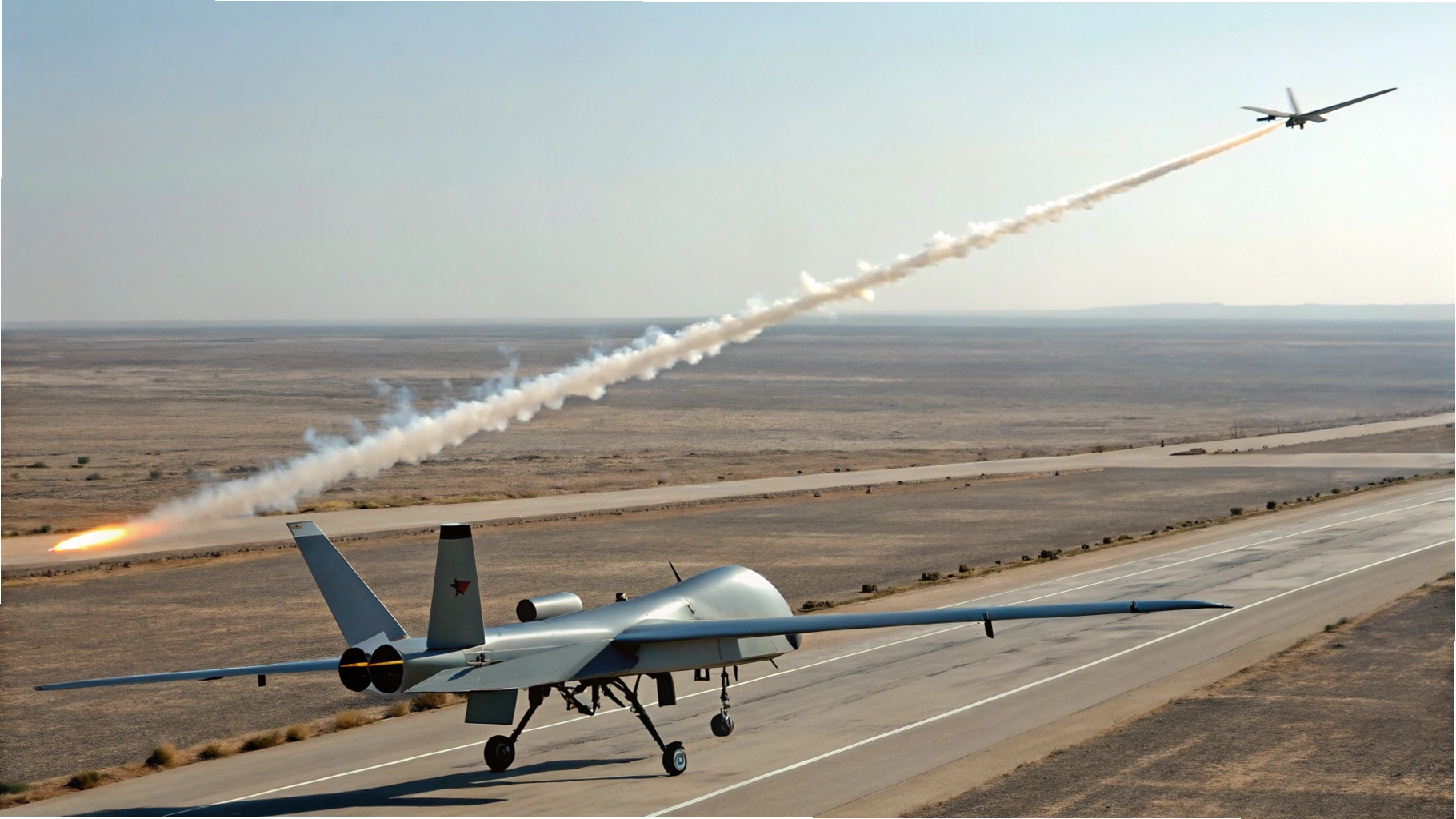
BAE Systems and Turkish Aerospace Industries (TAI) have signed a memorandum of understanding (MoU) to collaborate on the joint development of unmanned aerial systems (UAS), deepening defense ties between the United Kingdom and Turkey. The partnership aims to advance next-generation drone capabilities by combining both nations’ technological expertise in aerospace engineering, autonomy, and combat air systems. The MoU sets the foundation for identifying cooperative projects focused on scalable and cost-efficient UAS solutions to address evolving operational requirements across defense sectors. Under the framework, engineers from both organizations will jointly explore innovative concepts by integrating BAE Systems’ experience in combat air, AI-driven autonomy, and flight control systems with TAI’s established design, production, and systems integration expertise. This collaboration supports both companies’ shared objectives to expand their roles in the global defense market while fostering local industrial participation in high-value aerospace manufacturing. BAE Systems brings decades of experience in unmanned systems, having developed platforms such as the Mantis and Taranis demonstrator aircraft, which laid the groundwork for autonomous flight technologies. The company is now developing an advanced “loyal wingman” drone concept as part of the UK’s Future Combat Air System (FCAS), which includes the Tempest sixth-generation fighter program. Turkish Aerospace Industries, meanwhile, continues to expand its UAS portfolio with systems like the Anka and Aksungur, both medium-altitude, long-endurance drones optimized for intelligence, surveillance, and reconnaissance (ISR) missions. Its newest platform, the Anka III, introduces a stealth flying-wing design capable of strike and electronic warfare roles, with the endurance and payload capacity to support multi-domain operations. The collaboration underscores the growing convergence between the UK and Turkey in defense innovation, highlighting joint priorities in developing indigenous aerospace technologies, strengthening supply chain resilience, and supporting export-oriented defense programs. It aligns with both nations’ strategic intent to enhance autonomy, interoperability, and industrial capability within allied defense frameworks.