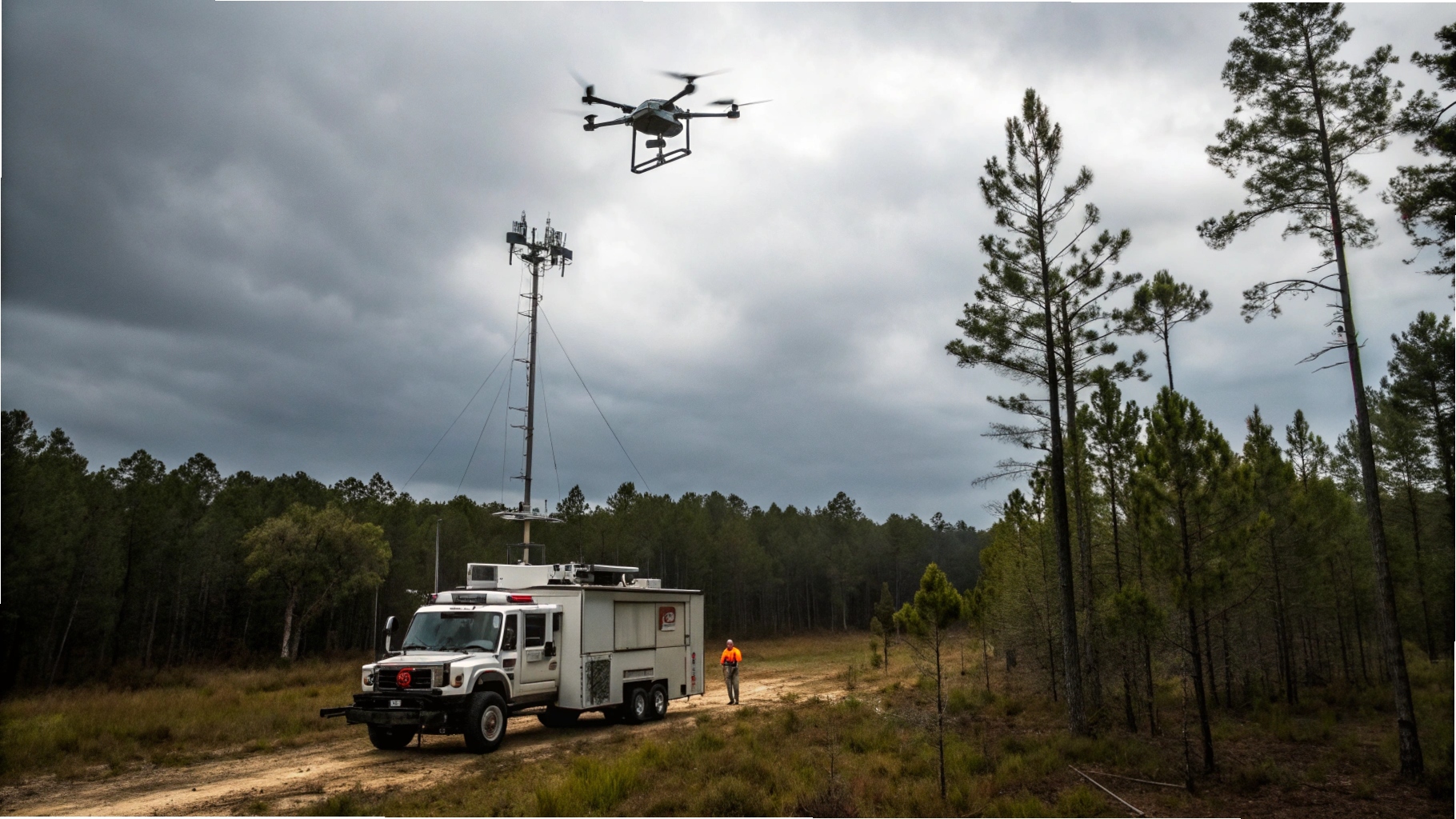
Indian drone manufacturer EndureAir Systems has unveiled VAHAK-6, a new
multi-UAV mothership concept developed in collaboration with Bharat
Electronics Limited (BEL). The system uses the company’s SABAL 20
unmanned helicopter as an airborne mothership and command node capable
of carrying and deploying up to six smaller UAVs closer to their mission area.
The concept represents an interesting evolution in India’s unmanned warfare
architecture because it separates the tasks of transporting, deploying and
controlling small drones from the drones themselves. Instead of requiring
every micro-UAV to begin its mission from a ground launch point, VAHAK-6
is designed to carry the aircraft into the air and release them closer to the area
of interest.
EndureAir describes the system as capable of deploying specialised ALAKH
micro-UAVs, allowing them to preserve their own limited endurance for the
mission rather than consuming valuable flight time travelling from a distant
launch location.
The concept builds on the SABAL platform, which EndureAir describes as a
lightweight tandem-rotor unmanned helicopter using variable-speed electric
propulsion. The company’s published information identifies SABAL as a
VTOL platform designed for logistics, surveillance and reconnaissance
missions, with BVLOS capability and modular payload options.
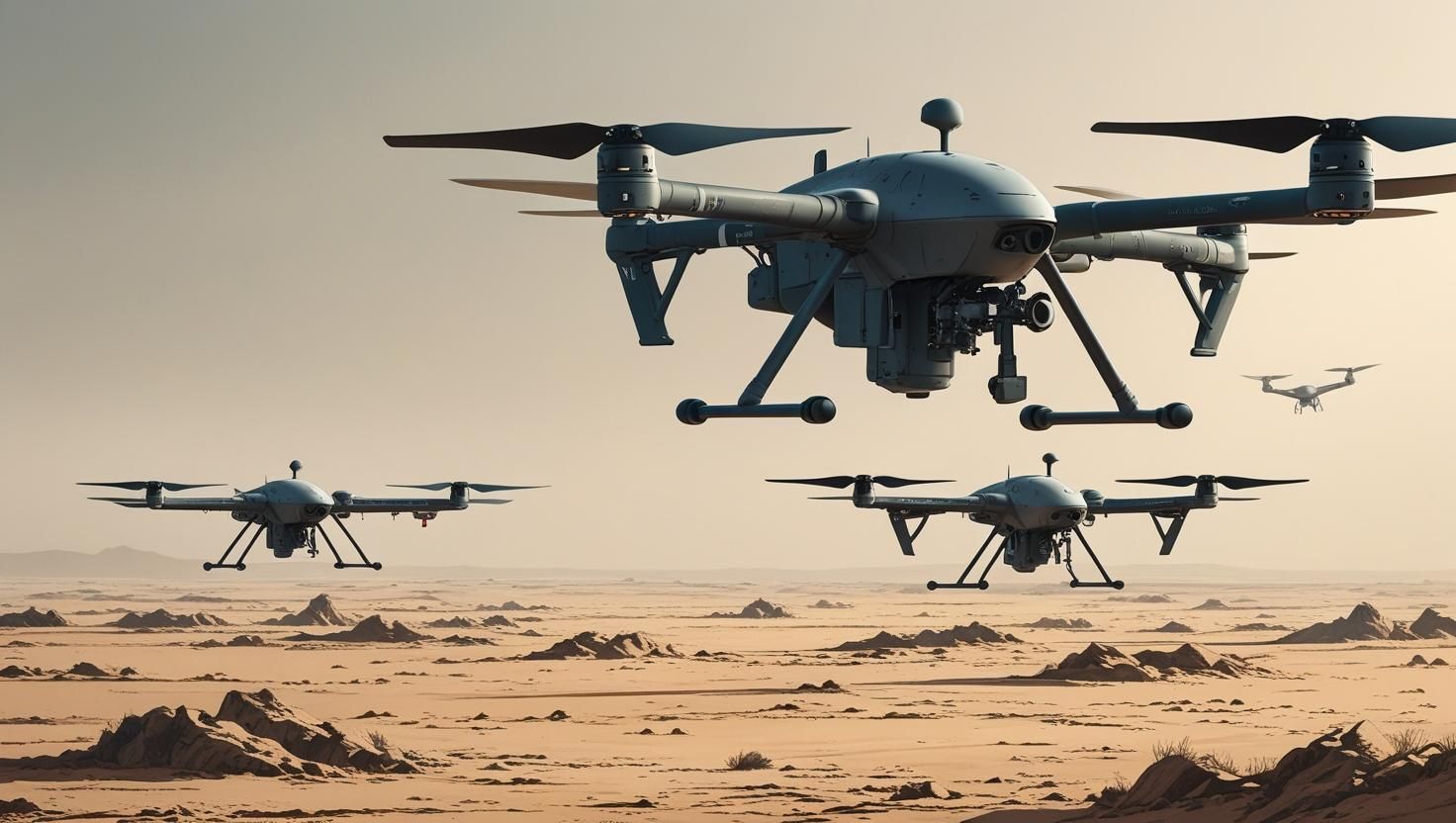
The smaller ALAKH provides the second component of the architecture.
EndureAir describes ALAKH as a micro-FPV UAV with an all-up weight
between approximately 250 and 800 grams and a payload capacity of up to
400 grams. The company says the platform can operate in confined spaces
and supports GPS-free navigation, making it suitable for close-range
reconnaissance and other missions where a conventional UAV would be
difficult to employ.
VAHAK-6 effectively combines these two capabilities into a distributed aerial
system. The SABAL 20 carries the smaller UAVs while also functioning as
their airborne command node. Once released, the individual drones can
conduct separate or coordinated missions.
This could significantly extend the practical reach of micro-UAVs. A small
drone normally has to expend part of its limited battery endurance travelling
from its operator or launch site to the target area. An airborne mothership can
instead transport the drone much closer to the operational zone, allowing a
larger proportion of its available endurance to be used for surveillance or
other mission tasks.
The concept also opens the possibility of mixed UAV teams. According to
EndureAir, VAHAK-6 can combine ALAKH surveillance UAVs with expendable
strike-oriented variants, creating what the company describes as Search,
Detect and Destroy missions from a single airborne platform.
This architecture could become particularly relevant in environments where
conventional communications and satellite navigation are degraded.
EndureAir says VAHAK-6 is intended to support coordinated or distributed
operations in EW-challenged and GPS-denied environments. The
effectiveness of such a capability would ultimately depend on the autonomy,
navigation resilience and communications architecture demonstrated during
operational testing.
The concept is also significant because the mothership does not need to be a
large aircraft. A relatively compact VTOL platform can potentially operate
from locations where conventional fixed-wing mothership aircraft would
face greater basing constraints.
For the Indian military, such a system could have applications in
reconnaissance, border surveillance, urban operations and battlefield
sensing. A mothership could approach an area while keeping the smaller
UAVs concealed or uncommitted until required. The drones could then be
distributed across different directions, providing multiple observation points
rather than relying on a single sensor.
The architecture could also improve drone survivability and mission
flexibility. Losing one micro-UAV would not necessarily terminate the
mission because the mothership could deploy multiple systems, while
different UAVs could carry different payloads or perform different tasks.
EndureAir’s broader development portfolio shows that the company is
moving beyond small UAVs toward increasingly capable unmanned
platforms. The company is also developing the much larger SABAL-200,
supported by 00 crore in Research, Development and Innovation funding,
with the platform intended to carry more than 200 kg over difficult and high-
altitude terrain.
VAHAK-6 therefore represents a different philosophy from simply building
larger individual drones. Instead, it creates an airborne network of
heterogeneous UAVs, with a mothership providing transportation, command
and deployment while smaller autonomous aircraft perform specialised
missions.