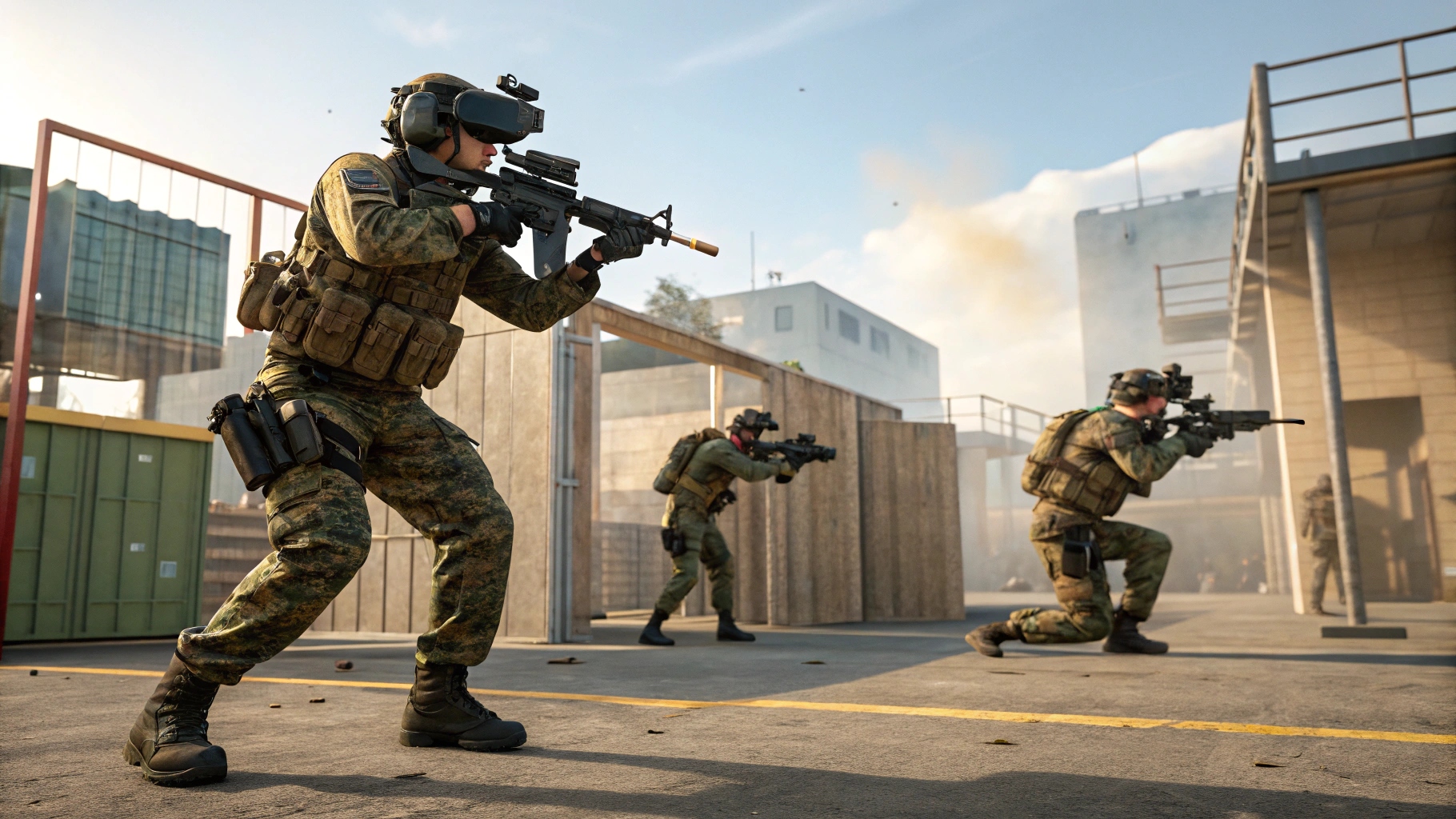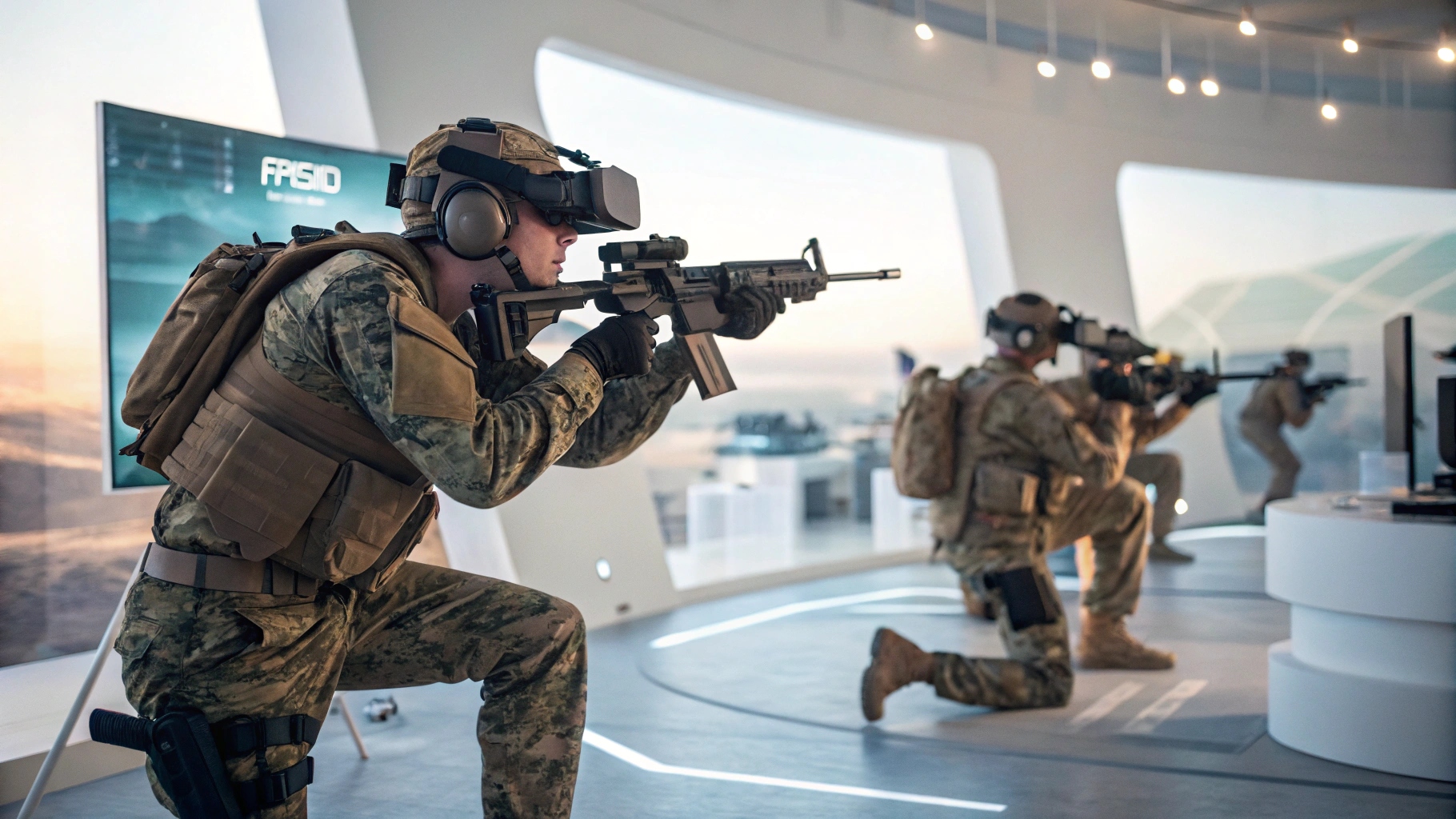

The US Marine Corps has begun specialized service-level training designed to improve the ability of Marines to counter small unmanned aerial systems using weapons already issued to frontline personnel. Conducted at Twentynine Palms, California, the three-day training event brought together personnel from the 1st and 2nd Marine Divisions to practice engaging small drone threats with standard rifles, shotguns, and grenade launchers. The training reflects the growing importance of counter-drone skills at the individual and small-unit level. Small unmanned aircraft have become increasingly common on modern battlefields, where they can perform reconnaissance, identify targets, adjust artillery fire, and conduct direct attacks. Their relatively low cost and widespread availability have made them a significant challenge for military forces. The Marine Corps exercise focused on developing practical techniques that troops can use when dedicated counter-UAS systems are unavailable or when a drone threat appears at close range. During the training, Marines engaged simulated drone targets at distances as close as 20 meters, or approximately 65 feet. The targets traveled at speeds of up to 90 miles per hour, equivalent to around 145 kilometers per hour, requiring participants to detect, track, aim at, and engage rapidly moving aerial threats. Using standard-issue weapons allows Marines to develop counter-drone skills without depending entirely on specialized electronic warfare equipment or dedicated interceptor systems. Rifles, shotguns, and grenade launchers can provide different engagement options depending on the distance, speed, and behavior of the incoming drone. The training also provides an opportunity to understand the limitations and practical challenges of using conventional weapons against small aerial targets. The exercise at Twentynine Palms highlights the Marine Corps’ broader effort to adapt tactical training to an environment in which drones are becoming an increasingly persistent threat. Modern military units may encounter unmanned aircraft during patrols, defensive operations, logistics movements, or combat engagements. Preparing individual Marines to recognize and respond to these threats can therefore contribute to the survivability of small units and critical personnel. The emphasis on service-level training also suggests that counter-drone awareness is being incorporated beyond dedicated air-defense formations. While specialized systems remain important for defending larger areas and high-value assets, conventional weapons can provide an additional layer of protection when a drone approaches within engagement range. By practicing against fast-moving simulated targets, Marines can improve their familiarity with the timing, accuracy, and coordination required for close-range counter-UAS engagements. The training demonstrates how military forces are adapting traditional weapons and tactics to address the rapidly changing threat posed by small drones.