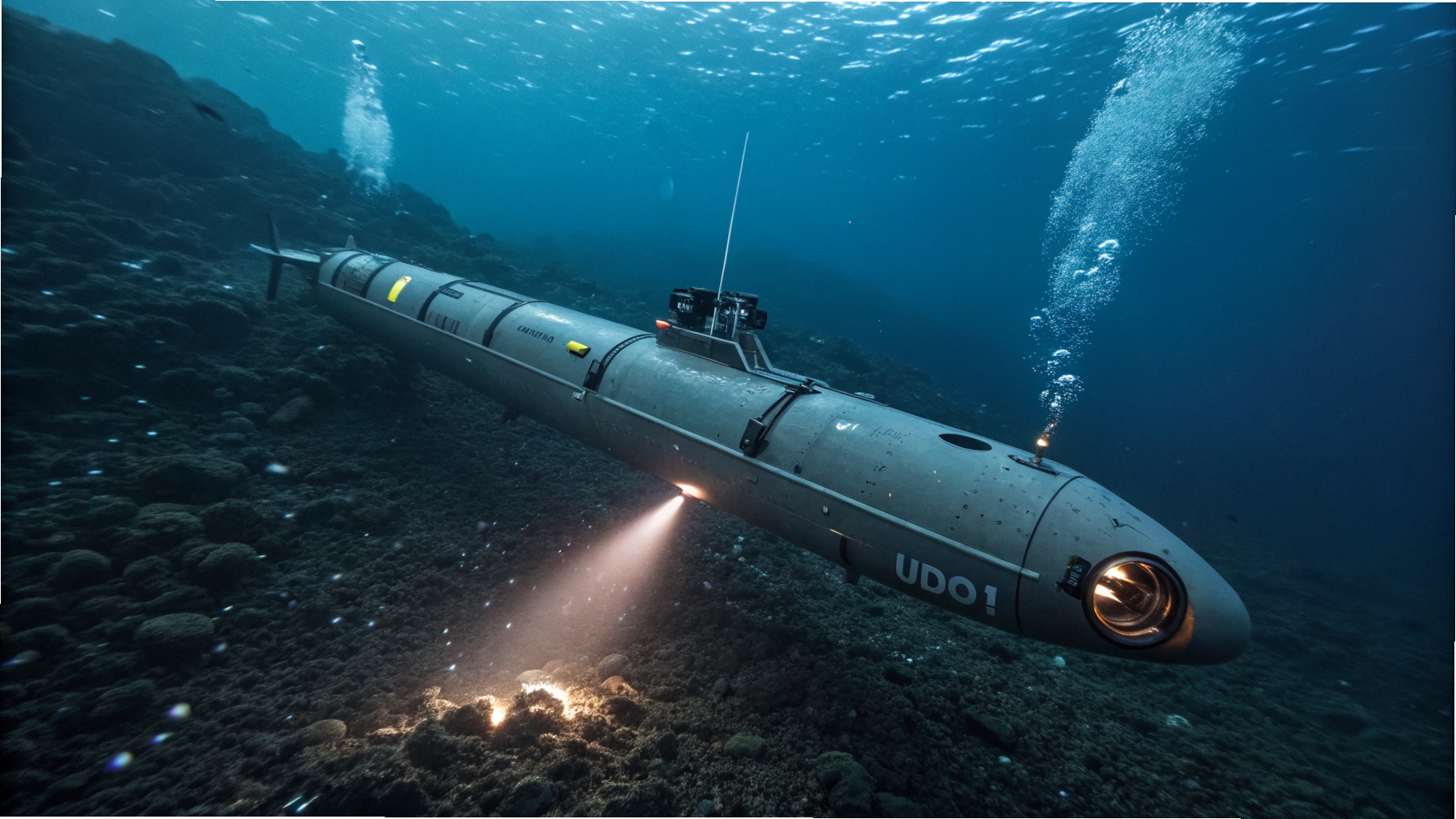

The MK 48 torpedo remains a cornerstone of modern undersea warfare, equipping submarines with a highly sophisticated offensive weapon capable of engaging both enemy submarines and surface combatants across long distances with remarkable precision. Developed originally during the Cold War to counter advanced Soviet naval threats, the MK 48 was engineered to provide the US Navy with a decisive underwater combat advantage through a combination of high speed, autonomous tracking, advanced acoustic sensing, and flexible wire-guided control. Unlike lightweight torpedoes typically employed for close-range defensive roles, the MK 48 is a heavyweight system optimized for offensive deep-water engagements against high-value maritime targets. Over time, the torpedo has undergone extensive modernization through multiple Mod upgrades, including the ADCAP series, significantly enhancing its guidance software, sonar processing capability, counter-countermeasure performance, and overall combat effectiveness. The latest configurations, including the MK 48 Mod 7, feature advanced autonomous tracking algorithms and improved integration with submarine fire-control systems, allowing operators to update targeting data during the engagement while maintaining operational stealth. The torpedo uses both active and passive sonar systems to detect and classify enemy vessels, enabling it to pursue targets even in acoustically challenging environments filled with decoys, background noise, and evasive maneuvers. During operation, the torpedo initially travels quietly toward the target zone before shifting into terminal engagement mode, where its onboard sensors assume full autonomous control for final attack execution. With speeds exceeding 55 knots and a heavy explosive payload designed to cause catastrophic damage to major warships and submarines, the MK 48 remains one of the most feared underwater weapons in service. It is currently deployed aboard US Navy attack submarines including the Los Angeles, Seawolf, and Virginia classes, and continues to influence heavyweight torpedo development among NATO and allied naval forces. As maritime warfare evolves toward more contested undersea environments, future upgrades are expected to focus on enhanced autonomy, smarter target discrimination, improved resilience against advanced decoys, and greater integration into network-centric naval combat architectures.