The Type 212CD represents a major development in conventional submarine design. Jointly developed by thyssenkrupp Marine Systems and the Norwegian Defence Materiel Agency for Germany and Norway, it builds on the Type 212A while adding greater size, endurance, stealth and sensor capability.
The submarine is intended for intelligence collection, anti-submarine warfare, anti-surface warfare and special operations. Its design is particularly suited to northern European waters, including the Baltic Sea, North Atlantic and Arctic.
The programme grew from the Type 212A, which entered German service in 2005. The earlier submarine was notable for using hydrogen fuel-cell AIP, allowing it to stay submerged for long periods while maintaining low acoustic emissions. The 212CD extends this concept with a larger hull and modern combat and sensor systems.
Germany and Norway agreed to jointly develop the Type 212CD in 2017. A first production contract followed in 2021 for six submarines. Construction began in 2023. Additional orders later increased the planned fleets, and the source states that Norway and Germany are each expected to operate six boats. Norway’s first delivery is planned for 2029, while German deliveries are expected in the early 2030s.
Stealth is a defining feature. The submarine uses fuel-cell AIP, vibration isolation, raft-mounted machinery and sound-absorbing materials to reduce acoustic signatures. Its angular outer hull is also designed to reduce radar reflections when surfaced or operating near periscope depth.
The Type 212CD’s sensor architecture includes sonar arrays, optronic masts and electronic support measures linked through an integrated combat management system. This allows information from several sensors to contribute to a common tactical picture.
Germany and Norway also benefit from using a common submarine design. Shared systems can simplify training, maintenance, logistics, spare-parts procurement and future software upgrades. The arrangement can also support cooperation throughout the submarine’s service life.
There are limitations. The submarine cannot match the sustained high-speed performance of nuclear-powered boats, and its advanced systems increase procurement costs. Its design is also focused on northern European and littoral missions rather than unrestricted global deployment.
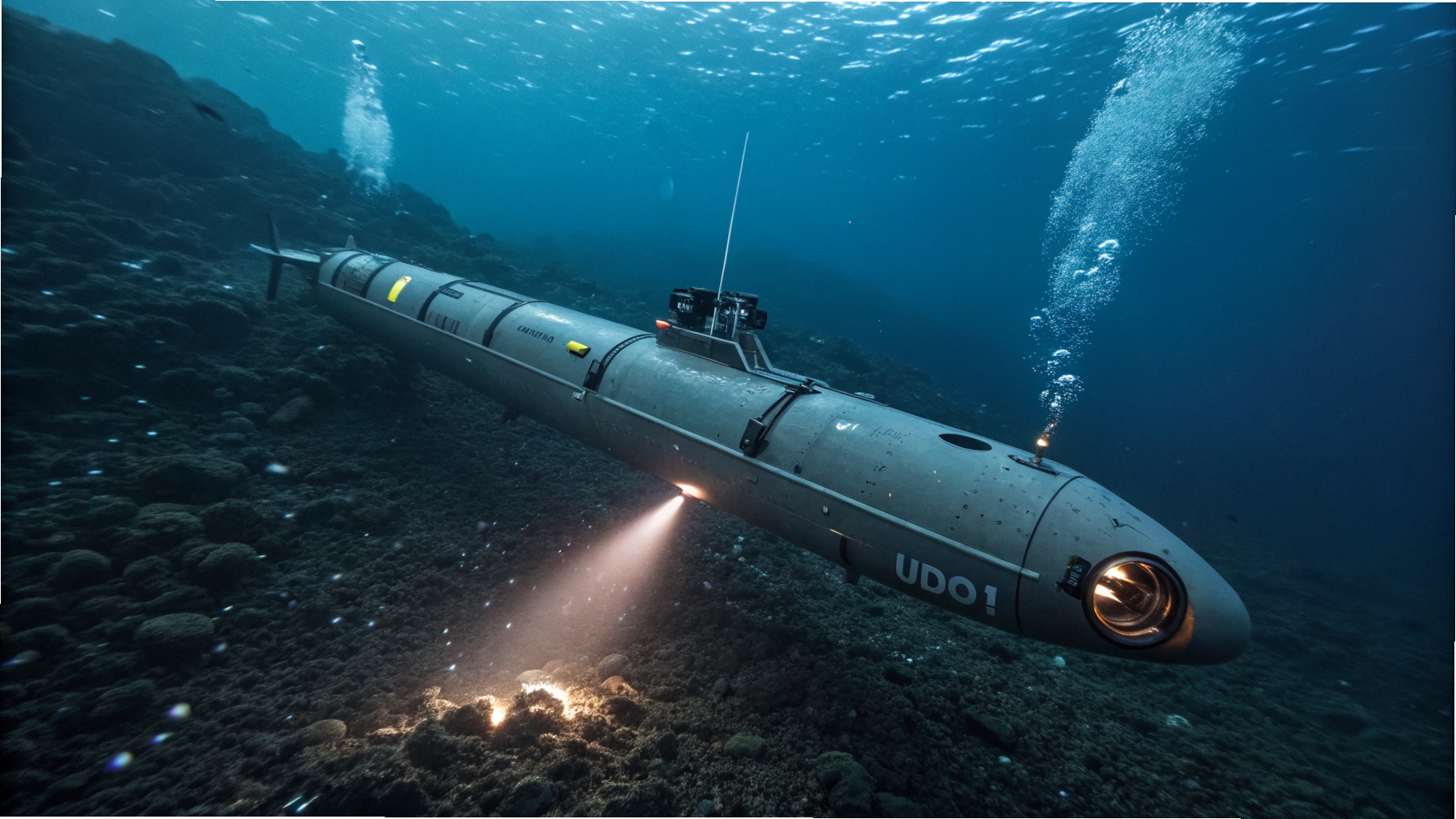
The Type 212CD has attracted wider international attention. The source notes that Canada selected the design for its future Canadian Patrol Submarine Project. Looking ahead, the programme is expected to explore improved digital networking, unmanned underwater vehicles, electronic warfare systems and further acoustic-signature reductions.