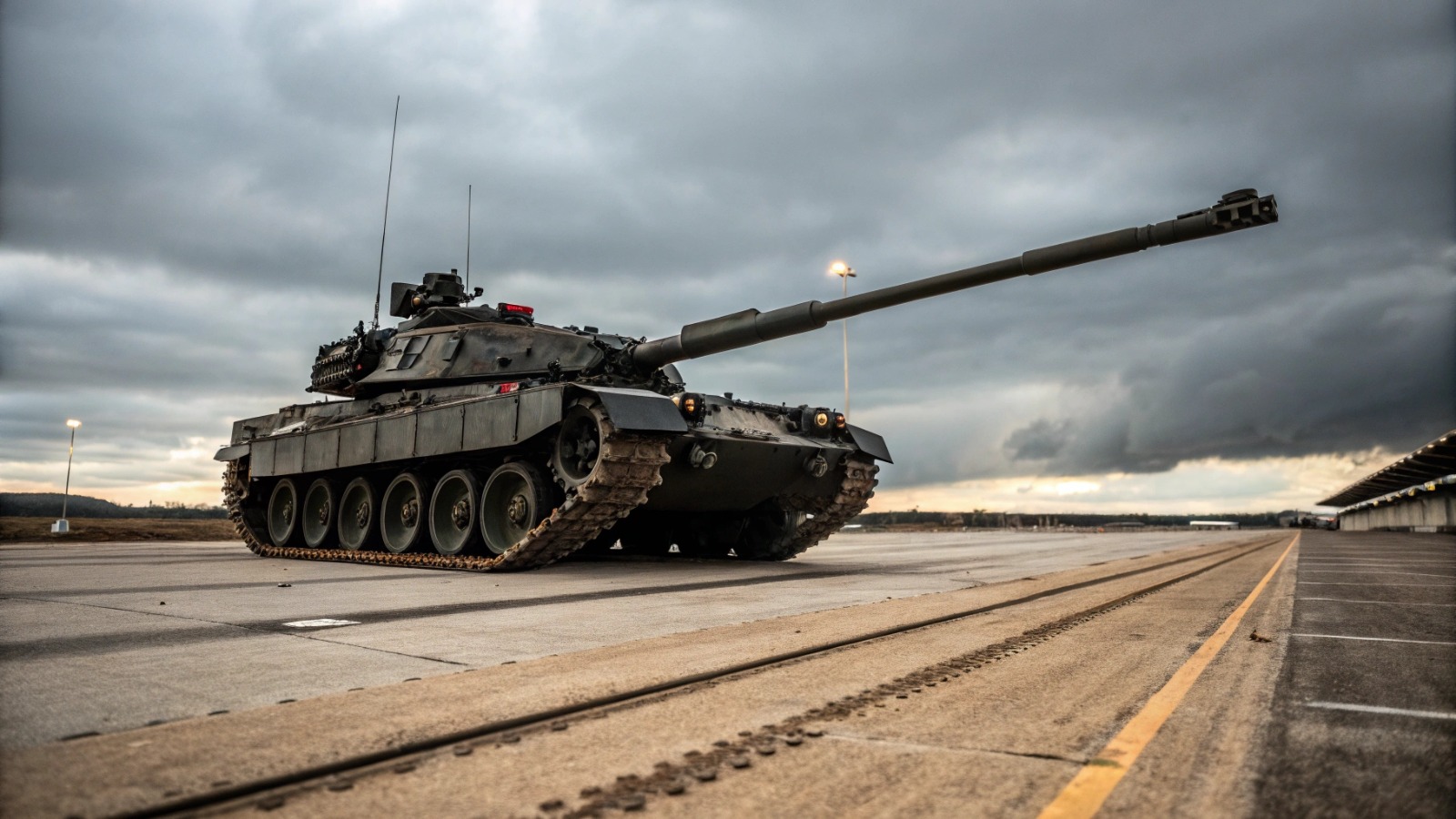

FNSS is developing the İ-ZAHA, an unmanned modular amphibious vehicle intended to improve survivability during hazardous amphibious operations. The platform is designed to perform multiple missions while operating across both land and water.By using an unmanned configuration, the system aims to reduce the exposure of personnel during the early and potentially most dangerous stages of amphibious assaults. The vehicle can approach difficult areas without requiring a crew to remain inside the platform.The U-MAV has an approximate weight of 8 tons and can travel through water at up to 7 knots. Its land mobility is considerably higher, with a reported maximum speed of 70 kilometers per hour.A modular payload architecture provides another important capability. The vehicle can be adapted for 10 different mission roles by replacing its payload modules. FNSS says these modules can be changed in the field in around 40 minutes.This modular approach could allow a single vehicle family to perform different functions depending on operational requirements. Instead of deploying separate platforms for every mission, commanders could potentially configure the U-MAV for specific tasks using interchangeable equipment.The İ-ZAHA reflects the increasing emphasis on unmanned systems for high-risk military operations. Its combination of autonomous or remote operation, amphibious mobility, and rapid reconfiguration could provide forces with additional options during coastal and expeditionary missions.