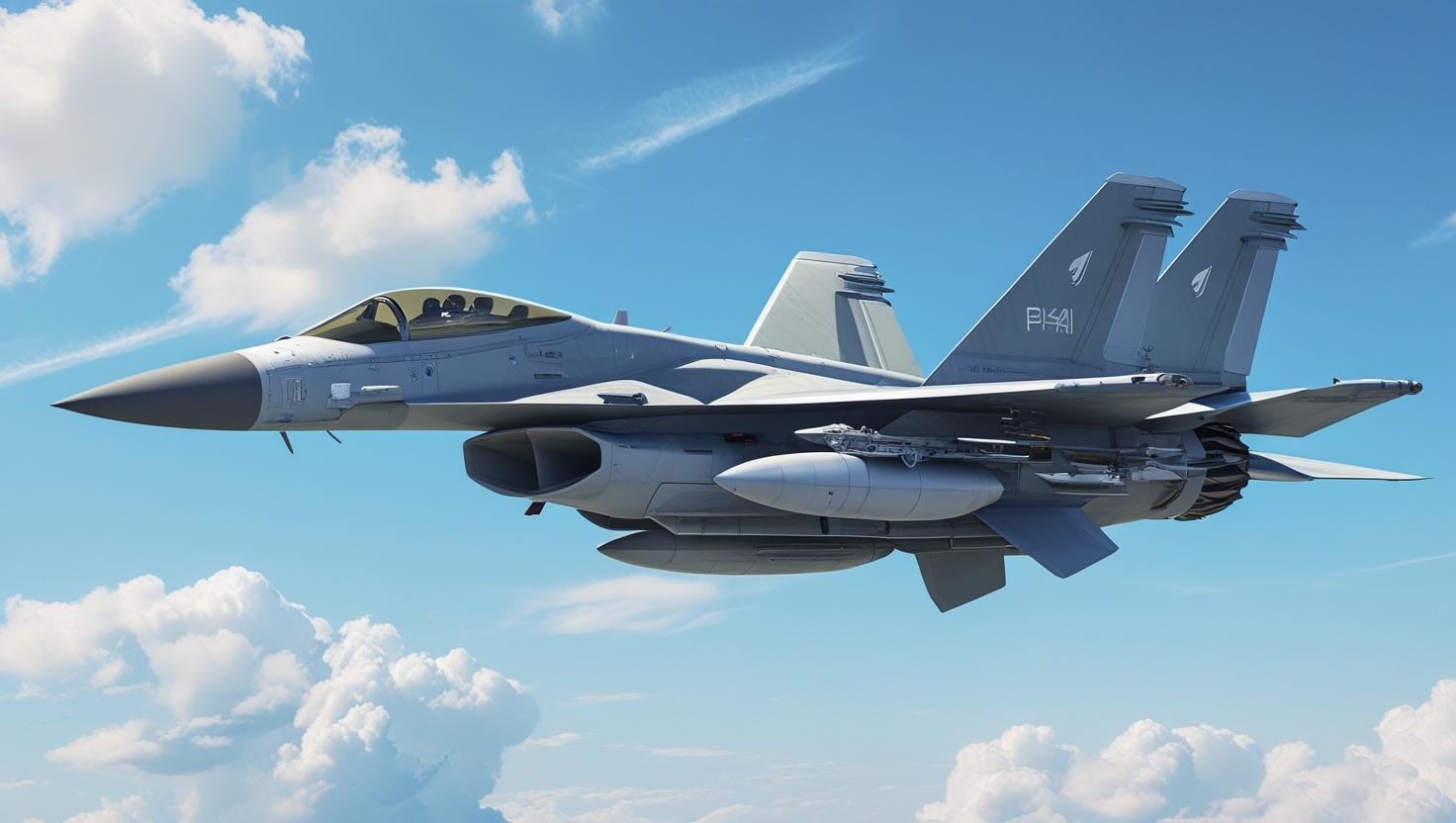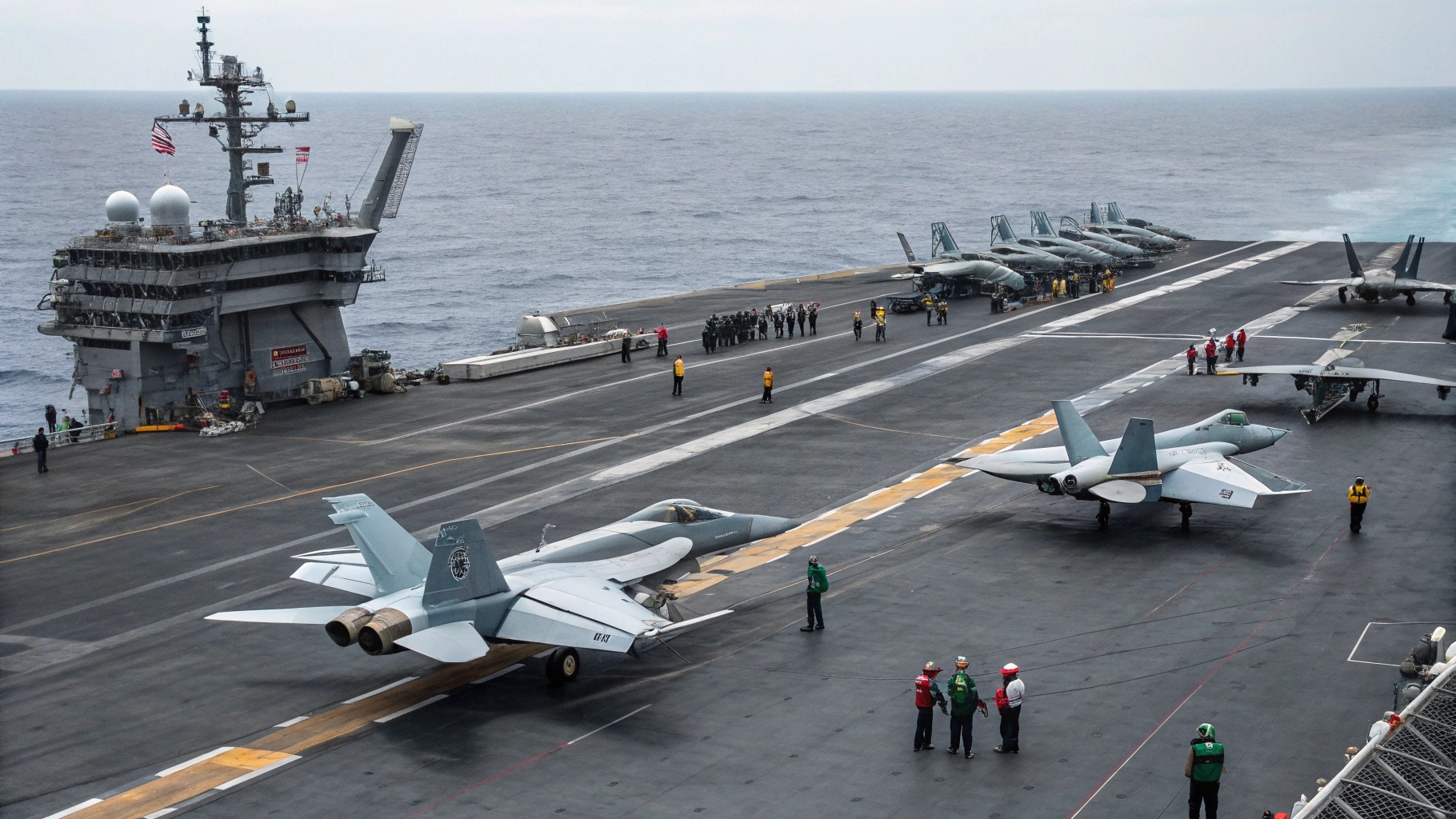

The reported plan to send Japan’s Mitsubishi F-2 fighters to India for a bilateral air exercise could become an important step in India-Japan air-power cooperation. The move would be notable because Japanese F-2s would operate from Indian territory, giving Japanese crews direct experience with India’s airspace and operating environment.
The deployment is reportedly expected later this month and comes as Japanese Defence Minister Shinjiro Koizumi prepares to visit India and Australia from August 17. Chinese reporting has linked the planned exercise to wider competition with China. Nevertheless, the exercise also has practical military value independent of regional political interpretations.
India and Japan have already conducted fighter training. In Veer Guardian 2023, four Japanese F-2s and four F-15s deployed to Japan’s Hyakuri Air Base and trained with four Indian Su-30MKIs. India’s Ministry of Defence called that event the first bilateral fighter aircraft exercise between the two countries. The reported 2026 deployment would therefore be significant because the direction of deployment would be reversed.
Operating in India could expose Japanese pilots to different procedures, logistics arrangements, airspace management systems and climatic conditions. Indian pilots would also gain an opportunity to train against a distinctive aircraft type.
The F-2 is based on the F-16 design but was extensively adapted for Japan. Its larger wing, Japanese avionics and indigenous AESA radar give it characteristics that differ from conventional F-16s. This makes the aircraft useful for dissimilar air-combat training.
The Indian Air Force already operates a mixed fleet that includes Russian, French and Indian platforms. Encounters with different radar systems, electronic-warfare equipment and tactical approaches can broaden pilot experience and improve preparedness for demanding air operations.
The exercise also reflects the wider growth of defence ties between New Delhi and Tokyo. Cooperation has expanded across air, maritime and land activities, while both countries participate in the Quad. China’s response reflects the broader Indo-Pacific security environment, but India does not need to define the exercise only in anti-China terms. It can use such engagements to strengthen interoperability and operational skills while continuing to follow its policy of strategic autonomy.