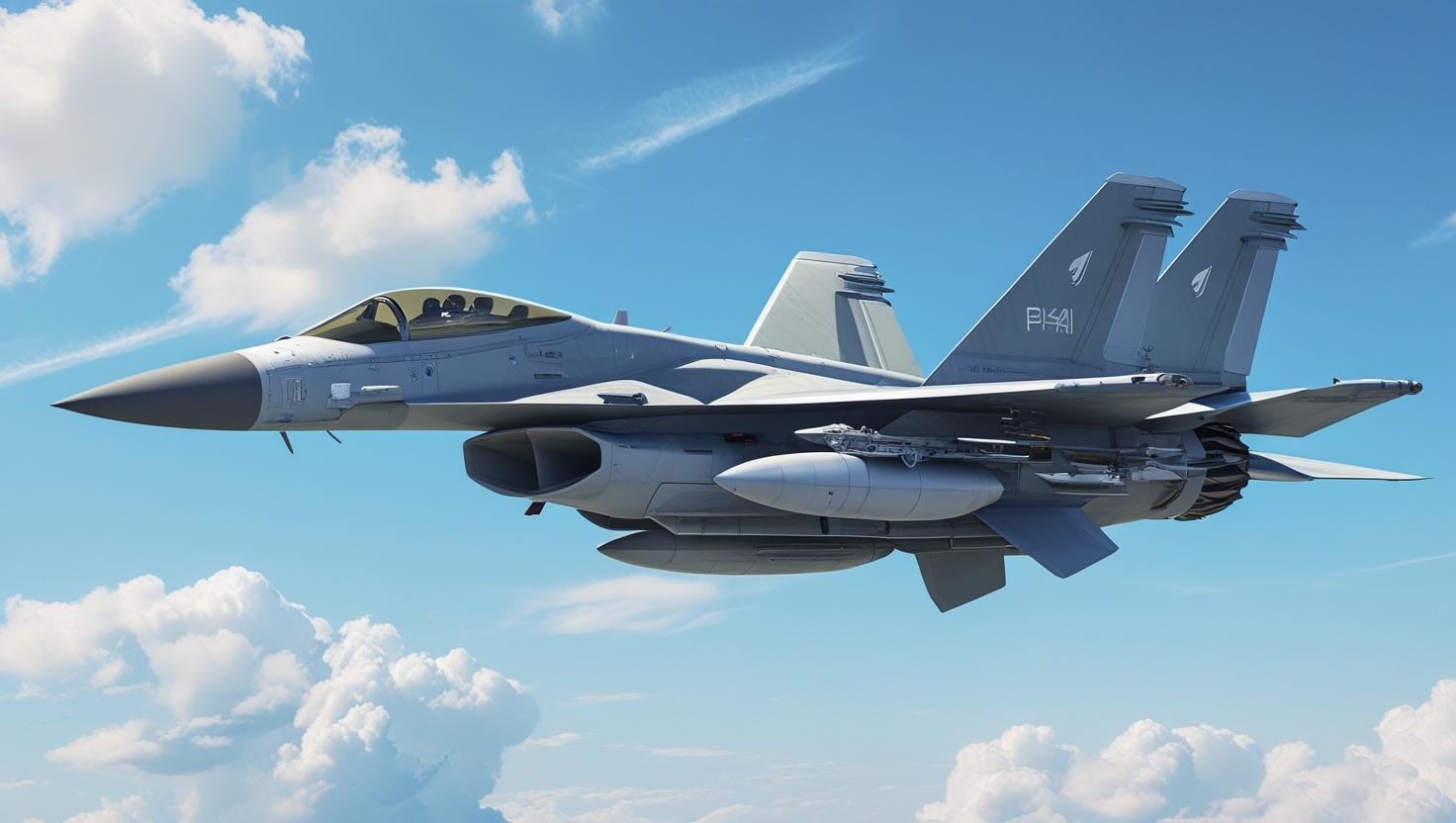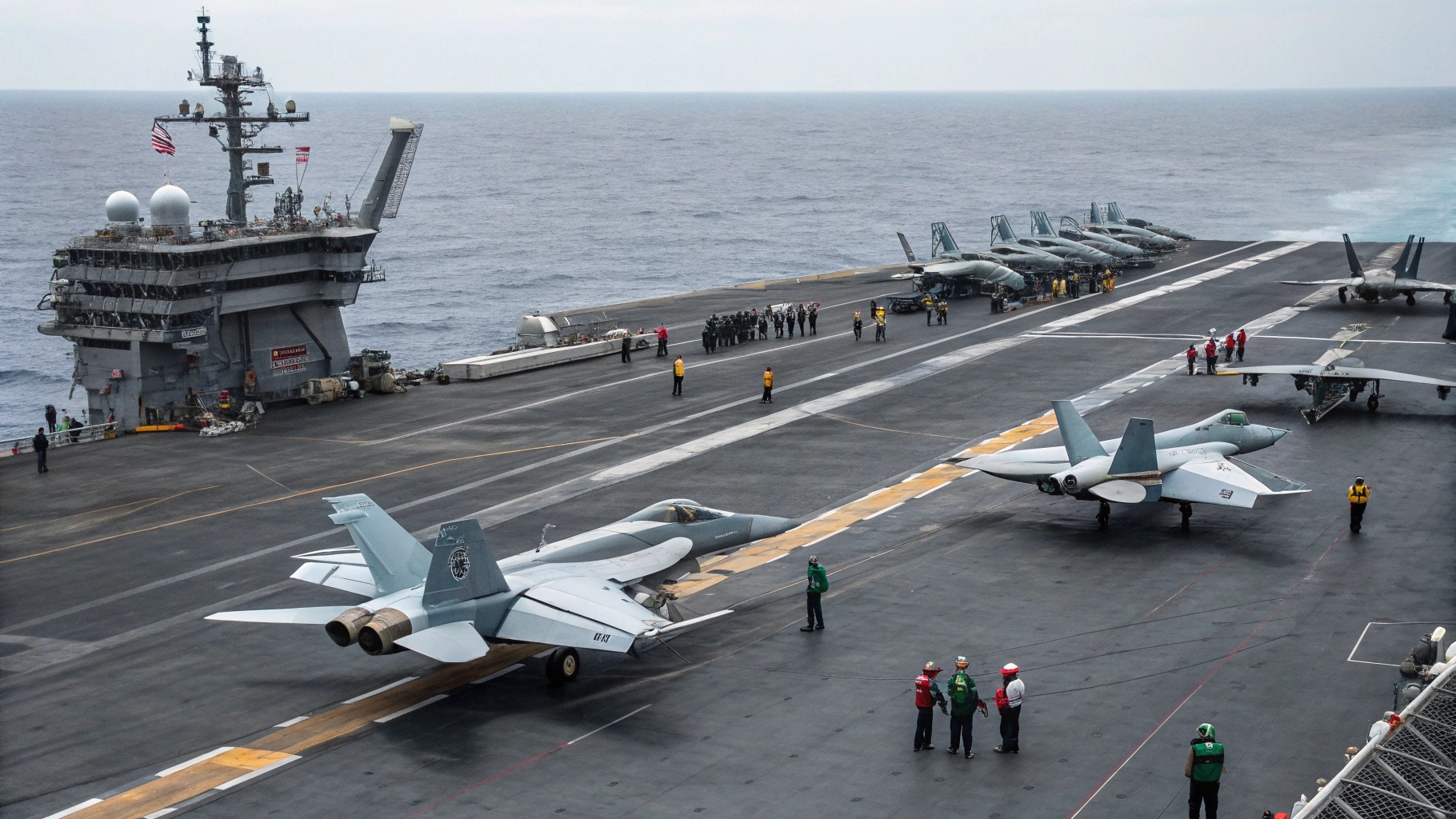

Russia is reportedly offering India more than the Su-57 fighter itself. The reported proposal includes a family of air-launched weapons and unmanned systems intended to exploit the aircraft’s stealth characteristics and internal weapon bays. This approach would position the Su-57 as the centre of a broader combat ecosystem.
The aircraft’s internal carriage system is important because it can help preserve low radar observability. Its main internal bays and smaller side compartments require weapons with compact dimensions and suitable configurations. Russia has therefore developed several systems intended for this architecture.
The Kh-69 is described as one of the main weapons in the package. It is a stealthy land-attack and SEAD missile with a folding-wing design. The reported export range is around 290 km, while its guidance combines inertial navigation with electro-optical and imaging infrared technologies.
The R-77M is presented as an advanced beyond-visual-range air-to-air missile. Its reported design includes low-profile control surfaces for internal carriage, an AESA seeker and a dual-pulse motor. Estimated engagement ranges are given as 160–200 km, although the source describes these figures as estimates.
The R-37M adds a different capability. It is intended to threaten valuable airborne targets such as early-warning aircraft, tankers and intelligence platforms. The source associates it with speeds approaching Mach 6 and ranges of up to 400 km.
Russia is also reportedly discussing a smaller Kinzhal variant for internal Su-57 carriage. The standard missile is too large for the aircraft’s internal bays, so a reduced-size version would be required. Details remain limited, but the reported concept would provide a potential long-range hypersonic strike option.
The S-71K Kover is another proposed system. It is described as a low-observable weapon with characteristics of both a cruise missile and an unmanned aircraft. The source reports a 250-kg warhead, approximately 300 km of range and a data link that could support autonomous or pilot-controlled operation.
The S-70 Okhotnik-B expands the concept beyond missiles. The stealth unmanned combat aircraft is intended for reconnaissance, electronic warfare and strike missions alongside manned fighters. A proposed twin-seat Su-57 variant could reportedly control multiple Okhotnik aircraft.
Overall, the reported package reflects an attempt to build an integrated fifth-generation combat system around the Su-57. The combination of internal weapons, long-range missiles, reported hypersonic options and loyal-wingman drones would give the aircraft a broader role than that of a conventional fighter.